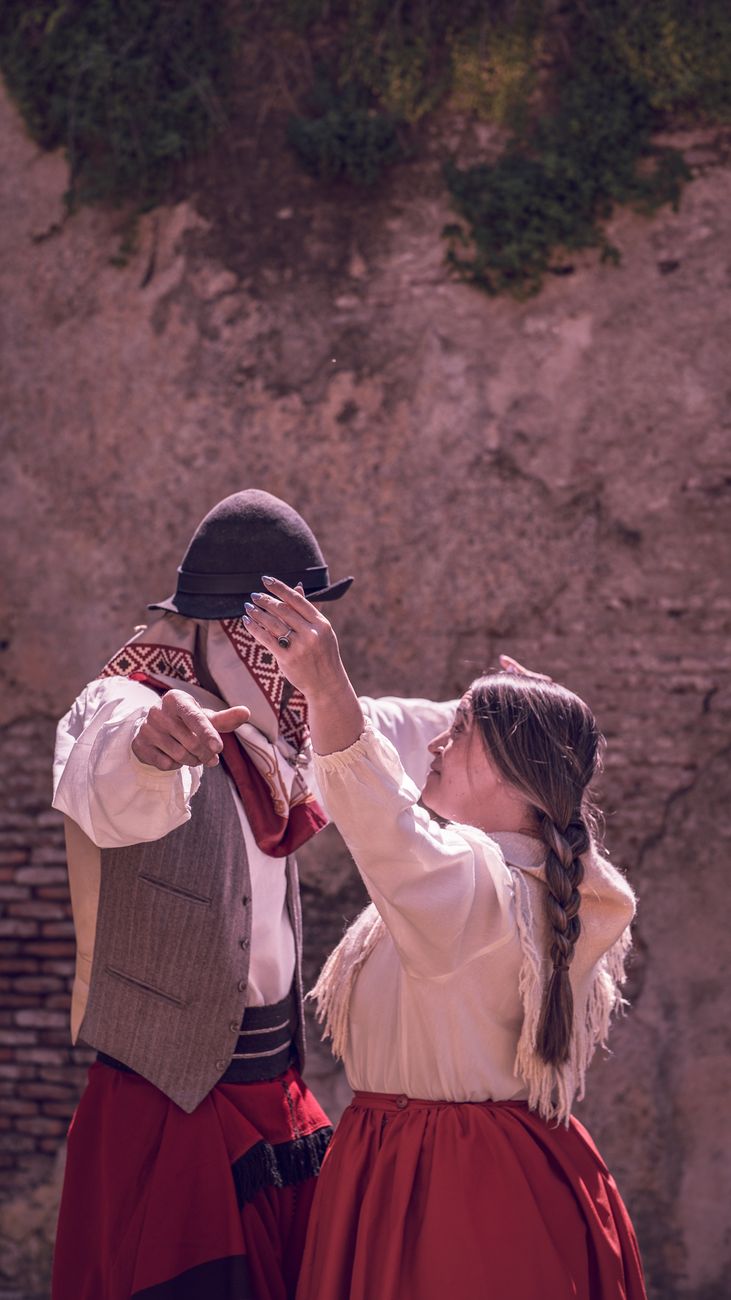
The valorization of local culture has been gaining awareness, bringing commitments but also virtualities that elevate people's self-esteem and contribute to the recognition of ancestral values that shaped communities. Examples of this include the Manufacturing Process of Bisalhes Black Pottery, the Caretos de Podence in Macedo de Cavaleiros, and Cante Alentejano, all recognized for their intangible heritage value.
The article also refers to the Museum of Rural Memory, in the municipality of Carrazeda de Ansiães, which functions as a territorial ecomuseum. The main nucleus is located in the parish of Vilarinho da Castanheira, and not in the municipal seat, with poles disseminated throughout the parishes, including the nucleus of Telha, the Olive Oil Press, the Windmill, the Swinging Mills, and the Blacksmith and Farrier.
The reflection extends to the Summer Festivals of the villages, which seem to be reborn in this period. There is more movement, more cars, cafés and restaurants full, and even more people in the field work. However, there is a community that keeps the village alive throughout the year and organizes activities over the twelve months, but the festival program seems to be intended more for visitors than for residents.
The article alerts for a contradiction: visitors increasingly consider the festival less as "their festival", and what is missing in the conception of festivals is "that layer of organic social, historical and affective matter that nourishes the territory", which is essential to produce development. There is thus a disconnection between the living experiences of the year and the epilogue of the festivals, compromising the building of the future of communities.