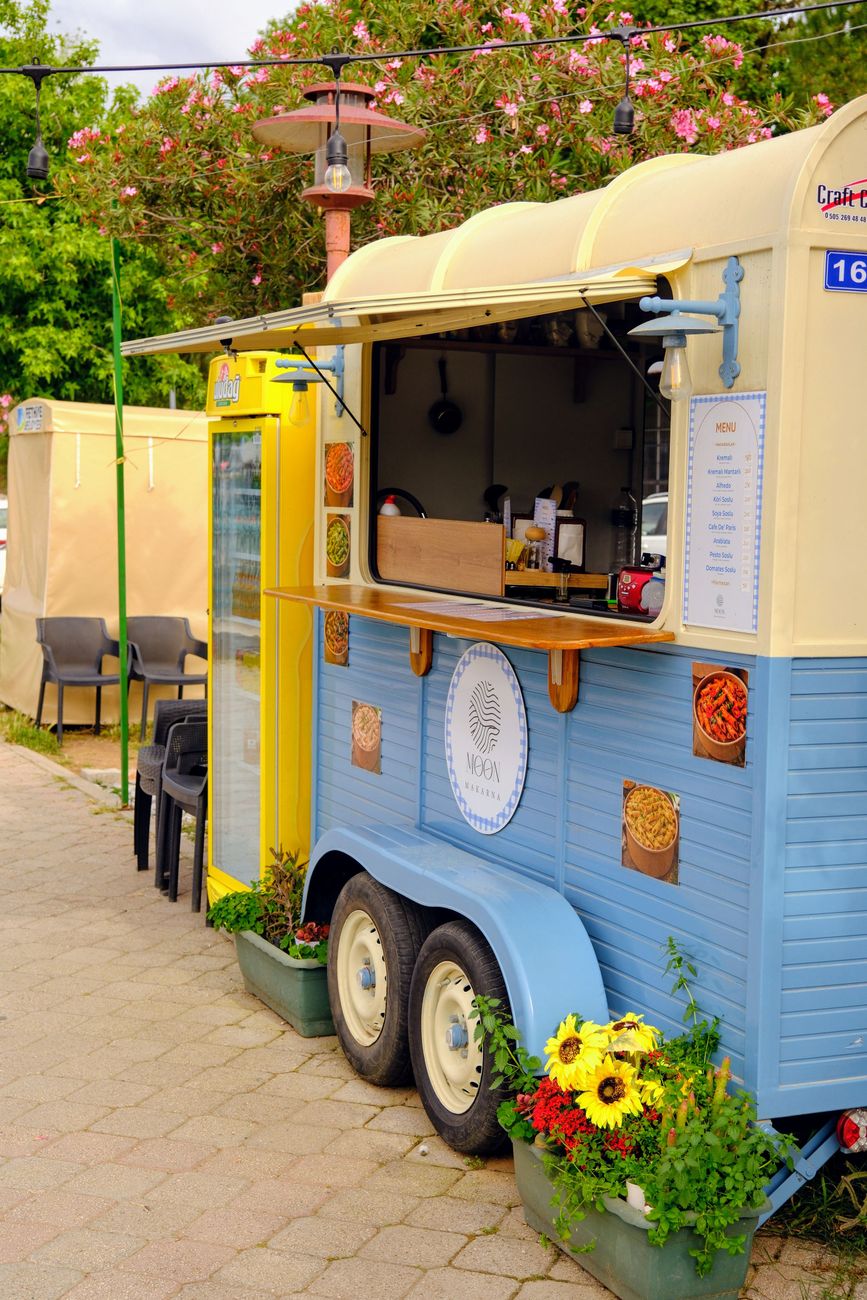
A bread-selling van located in Alvalade, Lisbon, near Afonso Lopes Vieira street and Avenida da Igreja, is at risk of disappearing. The business is run by Lurdes Nascimento, 80 years old, and her daughter Fernanda, who have maintained a traditional bakery serving the neighborhood for almost five decades. The van offers traditional breads such as "maminhas and carcacinhas," as well as breads from Trancoso, Mafra, and Alentejo, cakes, and home deliveries to clients such as nurseries, restaurants, and the Church of Campo Grande.
The history of the van dates back to 1979, when Lurdes finally managed to get licensed through the Parish Council. Before that, she sold bread through the streets of Alvalade on a tricycle with a basket, then in an old Mini, facing inspection and fines for lack of a license. Born in Trancoso in 1946, Lurdes arrived in Lisbon as an adult, lived in Angola between 1968 and 1973, and returned alone with her daughter Fernanda, having to get by working as a house cleaner and selling bread door to door. A neighbor would later help her obtain the license, and in return for the solidarity received, Lurdes ended up buying that same neighbor's apartment.
The business is currently facing significant financial difficulties. Fernanda criticizes the proliferation of supermarkets in the area, which sell everything, including bread, flowers, and medication, reducing the clientele of traditional establishments. The monthly rent of 410 euros paid to the Parish Council for the sidewalk space weighs on the budget, and sales no longer justify keeping the van open in the afternoon as well. Most current customers are elderly people, as young people hardly buy bread anymore.
The greatest threat, however, is the lack of successors. Fernanda is 60 years old and approaching retirement, but her two children studied and have no interest in continuing the business, as do her siblings, who work in more attractive fields. With declining sales and no heirs willing to continue, the closure of the van may be inevitable, representing the loss of a historic business that fed not only bread, but also the neighborhood spirit and solidarity among the residents of Alvalade.