The city of Quarteira in the Algarve registered this summer a significant reduction in demand from Portuguese tourists, with beach concession holders reporting lower attendance of bathers. Nélson Guerreiro, responsible for Praia Azul concession and representative of Quarteira beach concession holders, described the season as "a somewhat weaker summer with fewer bathers in attendance." Armação de Pêra, Praia da Rocha and Monte Gordo were also among the locations most affected by the decrease in purchasing power of national tourists.
The rise in prices in the region has led some Portuguese to seek cheaper alternatives or stay home, with impact particularly felt in businesses aimed at consumers with lower spending capacity. João Guerreiro, president of the Quarteira and Vilamoura Businessmen's Association, gave the example of some local accommodation entrepreneurs who, even after reducing prices, faced difficulties, with sales drops of around 20% in the last week of August.
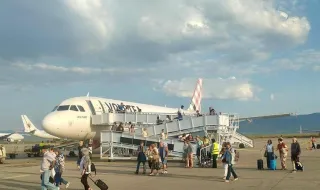
The reality, however, was divided among the various market segments. While the mid-low segment, largely dependent on the national market, registered a decline, luxury businesses maintained high demand. Hélder Martins, president of the Algarve Hotels and Tourism Developments Association, stated that "those with the most expensive products were full of Portuguese, never worked like now," adding that Faro airport registered a 5% increase in traffic.
Across the Algarve as a whole, occupancy during the peak of summer remained close to 90%, with the reduction in the number of Portuguese tourists partially offset by the arrival of visitors from other markets. For September and October, entrepreneurs estimate occupancy rates close to 80%, with a profile of higher purchasing power tourists, with the sector expecting to end 2026 with a decline between 1% and 2%.