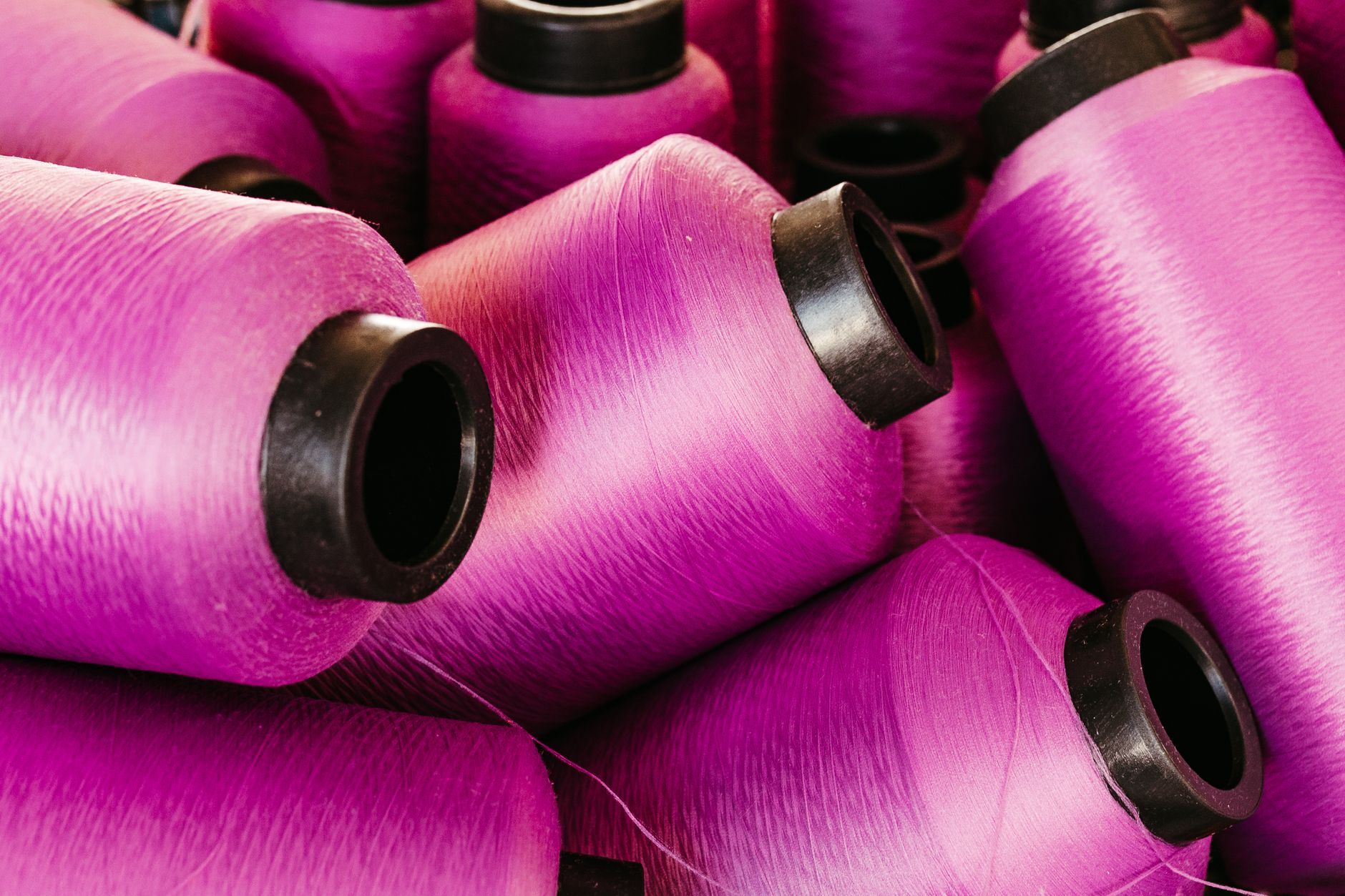
The expression "polyester" has become a new viral insult among Generation Z, being used in a derogatory way to describe something or someone considered low quality, generic, or without authenticity. The term refers to the synthetic fabric, which is often associated with cheap and mass-produced clothing, in contrast to natural materials like cotton or linen.
The insult emerges in the context of digital culture and social media, where Generation Z developed their own language full of ephemeral expressions that quickly become popular and then disappear. These generations use everyday words and transform them into insults with specific meanings within their community.
The analysis of the phenomenon raises questions about what this language reveals, including how young people perceive authenticity, consumerism, and the differentiation between what is genuine and what is manufactured. The use of "polyester" may reflect a valorization of originality and a rejection of what is considered artificial or superficial.
The article also explores why this insult can be interpreted in a positive way, suggesting it may represent a form of cultural resistance and an assertion of own identity by young people against previous generations.