All news
Politics
Business
Technology
Incidents
Sports
Weather
Science
Entertainment
World
Real Estate
AI News
A more sedentary childhood threatens physical and mental health, warns Carlos NetoPhoto by sasint on Pexels
Science

A more sedentary childhood threatens physical and mental health, warns Carlos Neto

RTP Notícias15 September 2026 at 08:20

University professor Carlos Neto today warned that childhood is becoming more sedentary, which represents a threat to both the physical and mental health of children. The reduction in free playtime was identified as one of the main factors responsible for this concerning trend.

According to Carlos Neto, excessive screen exposure is significantly contributing to this problem. Children spend increasingly more time in front of electronic devices, which limits their opportunities for movement and interaction with the surrounding environment.

Another aspect highlighted by the professor is the little contact children have with nature. The absence of outdoor activities and play in natural spaces is compromising the emotional and physical development of the youngest, depriving them of essential experiences for their healthy growth.

Carlos Neto argued that it is necessary to reverse this trend, warning about the importance of providing children with more opportunities for active play and contact with the natural environment, in order to ensure balanced development.


Why this matters

Children are developing less healthily due to increased screen time and reduced contact with nature, which may affect their physical and emotional well-being in the long term. This warning is relevant for parents, educators and health policymakers seeking to promote more balanced lifestyles in childhood.

About this summary

This is our short summary of a report published by RTP Notícias on 15 September 2026 at 08:20; the full text stays with the publisher. In our feed it sits under Science. We currently carry 4640 items in that section.

All items in this section →
Source

Related articles

Science

"Fruit Heroes" increases fruit and vegetable consumption in Algarve schools

The "Fruit Heroes" project recorded significant improvements in eating habits among students in the Algarve during the 2024/2025 school year, with the percentage of children bringing healthy snacks to school rising from 66.3% to 85.3%, and daily fruit or vegetable consumption increasing from 74.9% to 82.5%. Developed by ISAMB/FMUL and APCOI in schools across nine municipalities in the Algarve, the program also included planting fruit trees on school grounds, combining food promotion with environmental education. The results were presented at the 1st Fruit Heroes Conference, which marked APCOI's 15th anniversary.

Postal do Algarve15/09/26, 08:30
Trinta anos a criar ratinhos “super-atletas” deram um resultado inesperado
Science

Thirty years creating 'super-athlete' mice gave an unexpected result

After more than three decades of research with 100 pairs of mice, scientists at the University of California, Riverside discovered that the animals selected to be exceptionally athletic suffer no expected biological penalty — neither do they live shorter lives nor have fewer offspring. This unexpected result challenges a central theory in evolutionary biology, according to which organisms face inevitable trade-offs when distributing limited energy among different vital functions.

ZAP Notícias15/09/26, 08:00
Smartwatch está a mentir-lhe? Ciência revela que as calorias gastas são pura ilusão
Science

Smartwatch is Lying to You? Science Reveals That Calories Burned Are a Pure Illusion

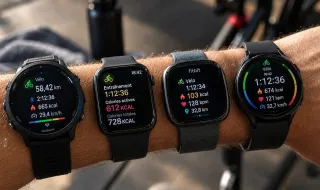
A scientific investigation compared the calorie expenditure data from smartwatches by Apple, Garmin, Samsung, and Fitbit with a professional metabolic analyzer, and the results revealed significant inaccuracies in wearable devices. The study demonstrates that smartwatches can overestimate or underestimate calories burned during exercise, questioning the reliability of these metrics for those who use this data to manage diet or training plans.

SAPO Notícias15/09/26, 08:00
Science

At 117 years old, woman's body in Spain surprises scientists with aging signs and 'youth'

Researchers from the Josep Carreras Leukemia Research Institute, in Spain, analyzed the body of Maria Branyas, the Spanish woman who died at 117 in August 2024, and identified a rare combination of extreme aging signs and protective mechanisms. The study, published in the journal Cell Reports Medicine in October 2025, revealed very short telomeres, inflammation in the immune system and aged defense cells, but also low levels of inflammation and a gut microbiome dominated by beneficial bacteria, characteristics that may have contributed to her longevity.

oglobo15/09/26, 08:00