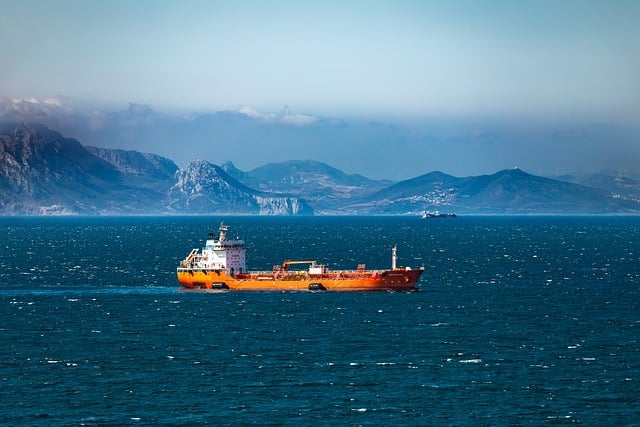
The Gulf countries postponed a meeting with Iran during which the future of the Strait of Hormuz would have been discussed. The lack of consensus among the Arab monarchies and Saudi Arabia's irritation at Tehran's support for Houthi attacks in Yemen were cited as causes for the suspension. The postponement, which occurred at the last moment, delayed sine die a proposed agreement on a new temporary route for commercial navigation when the strait reopens.
The Houthi rebels launched a new series of missile and drone attacks against Saudi military and energy sector targets, including King Khalid Air Base in Khamis Mushait. The previous week, Tehran-backed militias in Iraq had forced Saudi Arabia to close an essential oil pipeline, while the Houthis took control of the Bab al-Mandab strait, further destabilizing the region.
Tehran had set preconditions for the meeting, including the suspension of the US blockade on Iranian oil ports, the release of frozen Iranian assets, and a ceasefire in Lebanon. Oman's Minister of Foreign Affairs stated that the meeting was postponed because the countries involved need to reach a consensus, emphasizing the commitment to dialogue to promote regional stability.
This Monday, September 14, Saudi Arabia's Crown Prince Mohammed bin Salman met in Jeddah with the head of US Central Command, Admiral Brad Cooper, to discuss developments in the region, which may mean a request for American military support against the Houthis. Analysts consider that the suspension of the meeting represents a huge diplomatic failure, given that the encounter had been prepared for several weeks.