Hurricane, typhoon and cyclone are three different names for the same meteorological phenomenon, associated with severe weather conditions with immense destructive potential. The main difference between these terms lies exclusively in the designation, which varies according to the region of the planet where the phenomenon occurs.
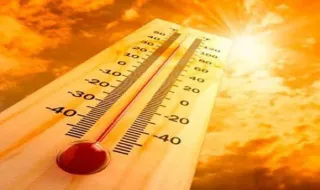
Tropical cyclones generally form over very warm ocean waters, with temperatures above approximately 26.5 to 27 degrees Celsius. The heat and humidity provided by the ocean fuel strong upward movements in the atmosphere, contributing to the development and intensification of these storms.
The name given to these phenomena varies according to the geographical area: they are called hurricanes when they form in the North Atlantic and Northeast Pacific, typhoons when they occur in the Northwest Pacific, and simply cyclones when they develop in the North Indian Ocean, South Pacific or the Australian region.