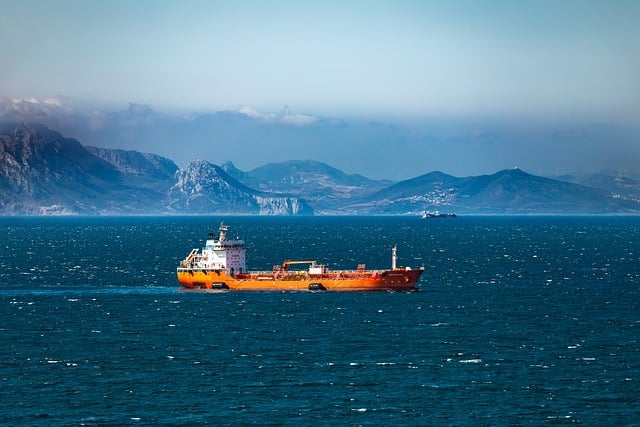
Oil prices rose impressively this week due to escalating tension in the Middle East, with both sides attacking ships in the Strait of Hormuz. The price of crude increased 87% this month compared to the previous month, with annual gains exceeding 56%. This situation is penalizing families and businesses worldwide, who were already facing rising fuel costs and high interest rates, with money becoming more expensive.
Portuguese companies are equally apprehensive about the new rise in crude and fuel prices. In addition to the expected price increase on Monday, the European Central Bank raised the benchmark interest rate by 25 basis points, the second increase this year, according to President Christine Lagarde.
Yemen's Houthi rebels are conquering strategic coastal cities that will allow greater control of the Bab el-Mandeb strait, one of the entry points to the Red Sea with access to the Suez Canal. It is through this route that Saudi Arabia has been exporting part of its production, managing to partly avoid the Strait of Hormuz, through which 20% of the world's oil used to pass.
Goldman Sachs warns that oil risks reaching $120 per barrel after more than six months of tension. The bank considers this scenario "definitely plausible", depending on the intensification of attacks on ships. Simultaneously, gas prices in Europe rose to over 80 euros/MWh, the highest level since December 2022, with LNG availability being affected by the war between the USA and Iran, at a time when Europe is preparing for winter with unusually low reserves.