The educational systems that managed to maintain their results in PISA assessments are those that adopted an approach of "teaching less content but with more depth". This was one of the conclusions highlighted by Andreas Schleicher, Director for Education and Skills at the OECD, in responses sent to Expresso.
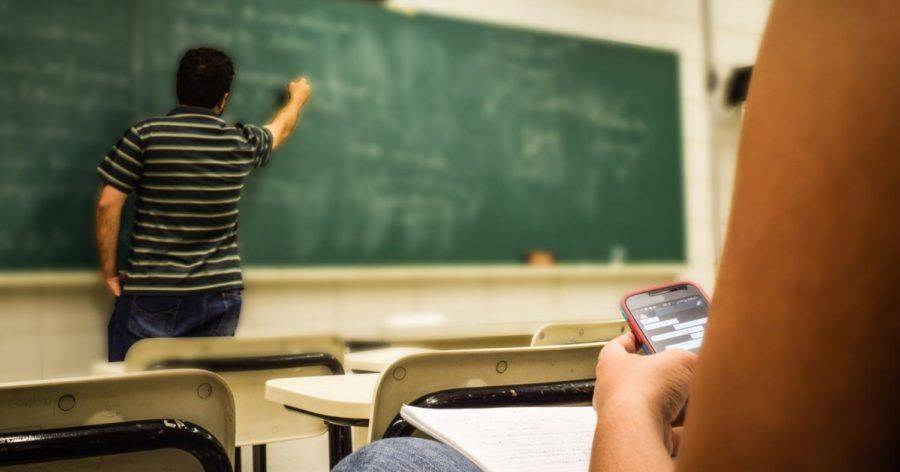
Schleicher criticized the tendency to introduce new technologies in classrooms without concrete evidence of their impact on student outcomes. The official warned of the need to base educational decisions on proven data, rather than following technological trends.
Regarding the use of artificial intelligence in education, Schleicher recalled that students do not learn simply by having access to immediate answers. The OECD director warned that this dependence on automated responses may seriously compromise students' learning.
Schleicher's responses come in the context of the publication of the results of the Programme for International Student Assessment, which evaluates the academic performance of students in various countries in the areas of mathematics, science, and reading.