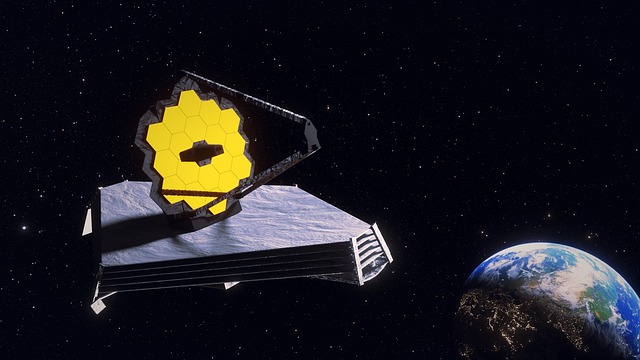
The Hubble and James Webb space telescopes made new observations that revealed the existence of small worlds located in the most distant regions of the Solar System. These objects, among the smallest and most remote ever identified, appear to be "frozen in time", preserving characteristics from the past.
According to the observations, these celestial bodies still maintain important clues about how they formed, billions of years ago. Their distant location and the conditions in which they are found may have allowed them to preserve primordial information about the beginning of the Solar System.
The discovery represents a significant advance in understanding the history of our planetary system, allowing scientists to study traces of its original formation.