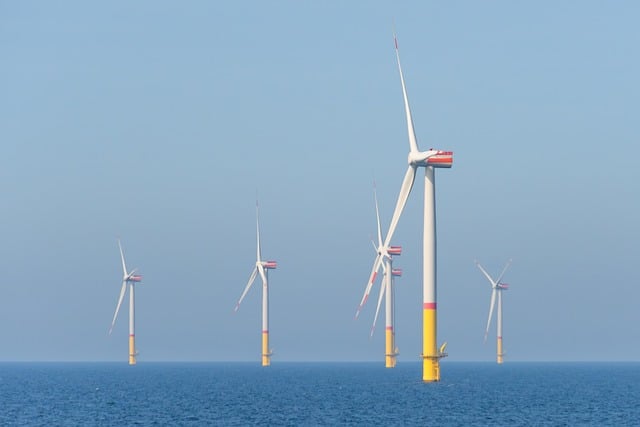
Energy interconnector with Morocco serves as "blackout insurance"Photo by Sinousxl on Pexels
Business

Energy interconnector with Morocco serves as "blackout insurance"

Jornal Económico10 September 2026 at 07:00

Portugal is negotiating with Morocco a submarine energy interconnector that would serve as "insurance against blackouts", according to the Minister of Environment and Energy, Maria da Graça Carvalho. Currently, Portugal depends exclusively on Spain for its terrestrial electrical interconnections, which was demonstrated as a risk during the blackout of April 28, 2025. The solution involves a submarine cable that would allow Portugal to turn to Morocco in case of emergency, should the blackout occur in Spain and there is no capacity to restore the grid through black-start power plants.

The project, valued at 800 million euros in 2018, was relaunched after a meeting in Lisbon on June 20 between Maria da Graça Carvalho and her Moroccan counterpart. Portugal intends to apply for European funds for the works and will open a call for interest to assess the interest of private companies. The objective is risk sharing in the construction of this "electricity highway" that would allow exporting Portuguese electricity to Morocco and importing Moroccan electricity, especially solar or wind, to Portugal.

The initiative comes at a time of high tension between Spain and Morocco, after the invasion of Ceuta by 70,000 migrants. The Spanish press, such as the newspaper El Economista, noted that Morocco intends to reduce its exclusive electrical dependence on Spain to connect to Europe, with Portugal being the alternative solution. Spain already has two electrical interconnections with Morocco, but fears that a third connection, now with Portugal, could raise prices in the neighboring country, although it acknowledges that sharing cheaper electricity could benefit both countries.

Related articles

Business

Moderate tax burden, but high fiscal effort

Portugal does not stand out in the European Union for having a particularly high tax burden as a percentage of GDP, ranking only 20th. However, when the tax burden is analyzed in relation to the Portuguese people's contributory capacity — measured by their relative standard of living — the country has the 6th highest fiscal effort in the EU, precisely because the standard of living has fallen to the 6th lowest, according to new population data released by Statistics Portugal (INE). The comparison with Eastern European countries reinforces this conclusion, with Portugal having been overtaken by several of them in terms of standard of living and losing part of the fiscal advantage it previously maintained.

Eco10/09/26, 07:53
Business

DECO's new governing bodies take office

DECO's new governing bodies took office on Wednesday, September 9th, with João Nabais presiding over the new Board for the 2026-2028 term. The team, described as solid and plural, assumes as priorities the strengthening of the associative movement and the response to the challenges of digitalization, artificial intelligence, climate change and new forms of economic and social inequality. Nabais stated the commitment to make DECO stronger, closer and more innovative in the defense of consumers.

Jornal Económico10/09/26, 07:44
Preços da energia preocupam 80% dos portugueses e levam a cortes nas despesas
Business

Energy prices worry 80% of Portuguese and lead to spending cuts

Eight in 10 Portuguese are worried about energy prices, while 77% fear fuel costs, leading many consumers to cut back on household expenses. The rise in energy prices continues to be one of the main concerns of Portuguese people, directly impacting household budgets and forcing families to rethink their spending.

Jornal de Negócios10/09/26, 07:40
Metrobus alarga hoje operação em Coimbra e obriga a alterações no trânsito e autocarros
Business

Metrobus extends operation today in Coimbra and forces changes to traffic and buses

Coimbra's Metrobus extended its operation today, causing significant changes to traffic and bus routes in the Baixa de Coimbra area. The changes include restrictions on circulation on Rua da Sofia, affecting urban mobility in the city.

Correio da Manhã10/09/26, 07:39