Smoking women with 40% higher risk of infertility than non-smokersPhoto by idilioarte on Pexels
Science
Инвестиции

Smoking women with 40% higher risk of infertility than non-smokers

Jornal Económico8 September 2026 at 12:26

Smoking women have a 40% higher risk of suffering from infertility compared to non-smokers, according to an alert issued today by the World Health Organization (WHO). This conclusion results from a review of studies conducted between 2000 and 2026, which demonstrated that tobacco use is associated with infertility in women, but also with harmful effects on sperm, sexual function in men and lower chances of success in fertility treatments.

WHO also noted that secondhand smoke can affect fertility, meaning that non-smoking people may also face reproductive risks. However, women who quit smoking have a 25% lower risk of infertility compared to those who continue to consume tobacco, suggesting that quitting smoking "can make a significant difference" in this matter.

Regarding men, a review of 44 studies involving more than 60 thousand participants found that smoking is associated with reproductive dysfunction, including semen abnormalities and sexual dysfunction. Smoking men are more likely to have erectile dysfunction, ejaculation problems, absence of sperm in semen, low sperm motility and abnormal sperm shape.

For people undergoing fertility treatment, smoking can reduce the chances of success, as demonstrated by 21 studies linking tobacco consumption to fewer births and pregnancies after assisted reproduction. Overall, one in six people of reproductive age will experience infertility at some point in their life. Given these data, WHO recommended that healthcare professionals inform people planning to become pregnant about the reproductive risks of tobacco consumption and provide evidence-based support to help them quit smoking.

Related articles

Science

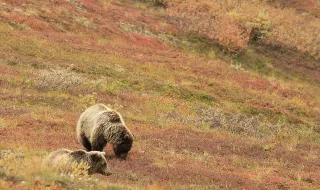
Spain. Brown bears recover and may already be over 500

In Spain, Iberian brown bears have impressively recovered from near extinction in the 1980s, thanks to hunting bans, the creation of ecological corridors and protected areas, with now over 500 specimens possibly existing. However, this recovery brings new challenges, namely regarding the genetic diversity of the population and the impact of tourism in the areas where the bears live.

Observador08/09/26, 12:58
Science

Spain: possible cannibalism massacre from 7,000 years ago comes to light in Granada

An analysis of about a thousand bones found in three caves in the Granada region of Spain revealed that cannibalism was a recurring practice during the Neolithic, approximately 7,000 years ago. The remains show signs of collective violence, possible rituals, and skulls that were transformed into containers, suggesting a complex cultural practice and not just one related to survival. The investigation indicates that these acts were carried out in a systematic and organized manner.

Euronews Portugal08/09/26, 12:53
Science

Europe: how to curb wildfire smoke pollution, more toxic than vehicle exhaust?

A United Nations report highlights that wildfire smoke in Europe is significantly more toxic than vehicle exhaust pollution, representing a growing threat to public health. The document emphasizes that fighting air pollution and climate change simultaneously can save millions of lives and boost economies, with coordinated global action urgently needed to reduce both carbon emissions and traditional air pollutants.

Euronews Portugal08/09/26, 12:50
Esta es la danza nupcial de los flamencos de la Puna (Argentina)
Science

This is the mating dance of the Puna flamingos (Argentina)

The Puna flamingos in Argentina perform a synchronized mating dance, where they gather and, in a coordinated manner, stretch their necks, turn their heads from side to side, walk together and emit vocalizations.

El Periódico Mediterráneo - General08/09/26, 12:40