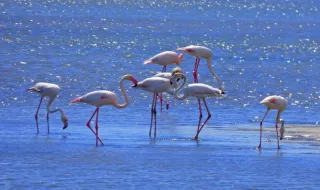
Spain. Brown bears recover and may already be over 500Photo by OrnaW on Pexels
Science

Spain. Brown bears recover and may already be over 500

Observador8 September 2026 at 12:58

The Iberian brown bears have significantly recovered from the near extinction they faced in the 1980s, now possibly exceeding 500 specimens. This recovery is mainly due to the hunting ban, the creation of ecological corridors and the establishment of protected areas in Spanish territory.

The species was on the brink of extinction in the 1980s, when only about 60 individuals remained in the wild. The conservation measures implemented allowed for a gradual and consistent recovery of the population over the last decades.

Currently, new challenges arise related to the genetic diversity of the population, which has become more limited due to the low number of founding specimens, and with the impact of tourism in the areas where the bears live.

The recovery of Iberian brown bears is considered a success case in the conservation of threatened species in Europe, although experts warn of the need to continue monitoring the population and managing conflicts with local communities.


Related articles

Science

Spain: possible cannibalism massacre from 7,000 years ago comes to light in Granada

An analysis of about a thousand bones found in three caves in the Granada region of Spain revealed that cannibalism was a recurring practice during the Neolithic, approximately 7,000 years ago. The remains show signs of collective violence, possible rituals, and skulls that were transformed into containers, suggesting a complex cultural practice and not just one related to survival. The investigation indicates that these acts were carried out in a systematic and organized manner.

Euronews Portugal08/09/26, 12:53
Science

Europe: how to curb wildfire smoke pollution, more toxic than vehicle exhaust?

A United Nations report highlights that wildfire smoke in Europe is significantly more toxic than vehicle exhaust pollution, representing a growing threat to public health. The document emphasizes that fighting air pollution and climate change simultaneously can save millions of lives and boost economies, with coordinated global action urgently needed to reduce both carbon emissions and traditional air pollutants.

Euronews Portugal08/09/26, 12:50
Esta es la danza nupcial de los flamencos de la Puna (Argentina)
Science

This is the mating dance of the Puna flamingos (Argentina)

The Puna flamingos in Argentina perform a synchronized mating dance, where they gather and, in a coordinated manner, stretch their necks, turn their heads from side to side, walk together and emit vocalizations.

El Periódico Mediterráneo - General08/09/26, 12:40
Quando comunicar ciência se torna mais difícil do que produzir ciência
Science

When communicating science becomes harder than producing science

Bernardo Soares, director of One Health at UPPartner, writes about the growing challenges of scientific communication, arguing that communicating science has now become more complex than producing it, due to misinformation, public distrust, and the need to adapt messages for different audiences in a fragmented media environment.

SAPO Notícias08/09/26, 12:30