AI barged into universities. Now academia pushes back
Technology
Образование

AI barged into universities. Now academia pushes back

Jornal de Negócios7 September 2026 at 10:00

Generative artificial intelligence rapidly entered universities, allowing students to complete in-depth work on any topic in just a few minutes, with just a few clicks. This capability radically transformed the way students can produce academic content.

At universities, professors face major difficulties distinguishing which papers were written by students and which were generated by artificial intelligence. This situation created a significant challenge for academic integrity and for traditional assessment methods.

Although AI's impact is described as a "hurricane" that brings complex challenges, the article also points out that this technology opens doors to a major transformation in higher education. This transformation could result in more personalized teaching, greater focus on practical projects, and new assessment models adapted to current reality.


Related articles

Technology

Xiaomi enters the foldable race with "wide" format. New smartphone debuts in China

Xiaomi presented the Xiaomi 18 Fold, its first foldable smartphone with a "wide" format, during an event in China. The device stands out for also being the first device equipped with the new XRing O3 processor, marking the Chinese manufacturer's entry into the foldable market with this specific format.

SAPO Tek07/09/26, 12:51
Technology

Can tech giants stop the growing water consumption of AI data centers?

In the United States, opposition is growing against artificial intelligence data centers that consume significant amounts of water for cooling. Major tech companies are developing and implementing new, more efficient cooling systems, but acknowledge that these solutions result in higher electricity consumption. The article addresses the balance between growing technological infrastructure needs and the associated environmental impact of water and energy resource use.

Euronews Portugal07/09/26, 12:28
Technology

Tech giants pledge to reduce water usage in AI data centers

Public opposition to water-intensive data centers is growing in the United States, especially those associated with artificial intelligence. These technological infrastructures require large amounts of water for cooling, which has generated environmental concerns and opposition from local communities. The major tech companies ensure that they are developing and implementing new cooling systems that can significantly reduce water demand in their data centers. These new technologies promise to be more efficient in water resource usage. However, experts warn that there is a trade-off: using less water may imply a significant increase in electricity consumption. This situation creates a dilemma for companies, which need to balance two distinct resources, both with considerable environmental impact. The debate illustrates the growing challenge that the technology industry faces in making artificial intelligence infrastructure more sustainable, at a time when demand for AI services continues to increase rapidly worldwide.

Euronews Portugal07/09/26, 12:28
Inaugurada maior instalação industrial de captura e armazenamento de CO2 da Europa
Technology

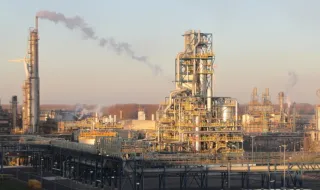
Largest industrial CO2 capture and storage facility in Europe inaugurated

The largest industrial CO2 capture and storage facility in Europe was inaugurated in the Netherlands, capable of capturing and storing approximately 12 million tonnes of CO2 over the next 15 years. The cross-border project is part of the EU-Norway Green Alliance, signed in 2023, and represents a milestone in the fight against climate change and Europe's energy transition.

SAPO Notícias07/09/26, 12:11