Carneiro again accuses Government of "making money" from fuel price increasesPhoto by Lucas Oliveira on Pexels
Politics
Инвестиции
Porto

Carneiro again accuses Government of "making money" from fuel price increases

Eco4 September 2026 at 20:41

The Secretary-General of PS, José Luís Carneiro, accused the Government of "making money" from fuel price increases during a visit to the 12th AgroSemana – Northern Agricultural Fair in Vila do Conde. The socialist leader revealed that on Thursday, in Parliament, he submitted a proposal to reduce VAT on fuels and essential foods, marking the third time PS has presented this initiative, which has been rejected by AD, Liberal Initiative and Chega.

José Luís Carneiro presented figures to support the accusation, stating that the Government earns nine cents for each liter of diesel and six cents for each liter of gasoline sold. According to the socialist leader, between 2024 and 2025, the Executive earned 1,048 million euros in fuel taxes, and between January and July it received an additional 1,070 million euros in VAT revenue due to inflation.

The PS leader warned that on Monday the country will have the largest ever fuel price increase, with diesel rising 15 cents and gasoline 12 cents per liter, according to estimates from the Portuguese Automobile Club. Carneiro criticized the prime minister's "incapacity, incompetence and insensitivity" to respond to the cost of living, emphasizing that the VAT reduction is also intended to support farmers, fishermen, transport, logistics and distribution.

Also the Secretary-General of PCP, Paulo Raimundo, considered the fuel discount increase decided by the Government insufficient, calling it "demagogic." During the Avante! Festival, the communist leader challenged the Executive to force oil companies to lower prices, suggesting that the State use its 8% stake in Galp to achieve this.
Related articles

Politics

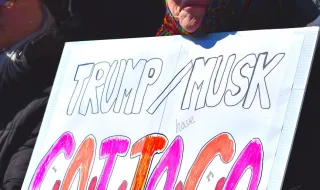
Trump supports beef origin labeling and simplifies process for cattle ranchers

President Donald Trump announced measures to require country of origin indication on imported beef and create a program to help cattle ranchers process their own meat, seeking to calm the outraged agricultural sector with plans to increase imports. The initiative comes after negative reaction to the plan to allow the importation of up to 300 thousand tons of foreign ground beef with reduced tariffs. The government is trying to reduce beef prices, which remain high before midterm elections, amid a cattle shortage in the US. However, agricultural sector entities oppose imports, arguing they harm the domestic market by pressuring prices paid to producers.

oglobo04/09/26, 21:33
Politics

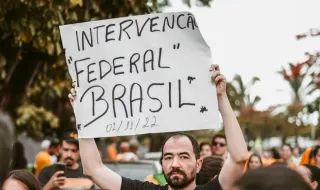
Brazilian Supreme Court faces its biggest crisis ever

Brazil's Supreme Federal Court is going through its biggest institutional crisis, after revelations involving the collapse of Banco Master, which implicate Supreme Court judges and high-ranking political figures in a scandal of favoritism and promiscuity between the judicial and political powers.

RTP Notícias04/09/26, 21:30
Politics

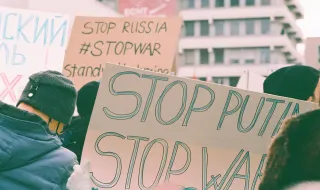
How far can Putin push the envelope?

The article addresses the relationship between Putin and Trump and its impacts on the negotiations about the Ukraine war. Bernardo Valente, professor of international relations at ISCSP, comments on whether the dynamics between the two leaders can represent a danger for the negotiation process and also analyses the risk of escalation of the conflict to Europe.

Observador04/09/26, 21:23