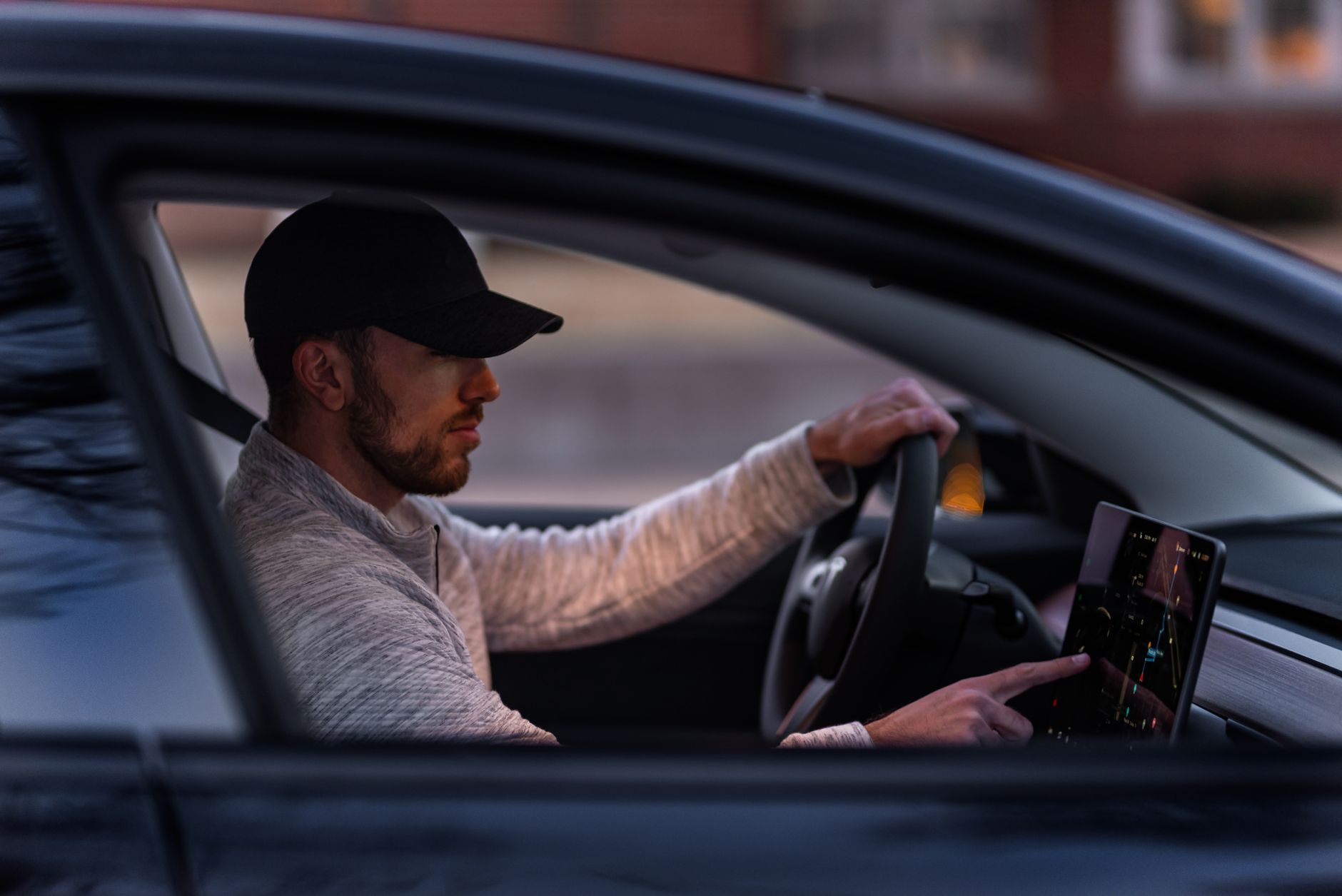
Tesla started offering paid rides in cybercabs, vehicles designed to transport passengers without direct human intervention and that do not have controls operated by humans, such as steering wheel, pedal or rearview mirror. The company started production of the Cybercab at its factory in Austin, Texas, in July. The autonomous vehicle is being tested in the state, where the Department of Motor Vehicles authorized the operation of 314 units of Elon Musk's company.
After the announcement of the start of commercial operations, the National Highway Traffic Safety Administration opened an audit to investigate the model. The federal regulator is analyzing about a thousand units of the vehicle to verify if they are in compliance with federal safety standards established for motor vehicles.
Tesla seeks to expand its operations with autonomous vehicles at a time when the company faces declining sales of its traditional electric cars. The Cybercab represents Elon Musk's company's bet on the future of driverless urban mobility, a technology that still faces regulatory challenges and public acceptance in the United States.