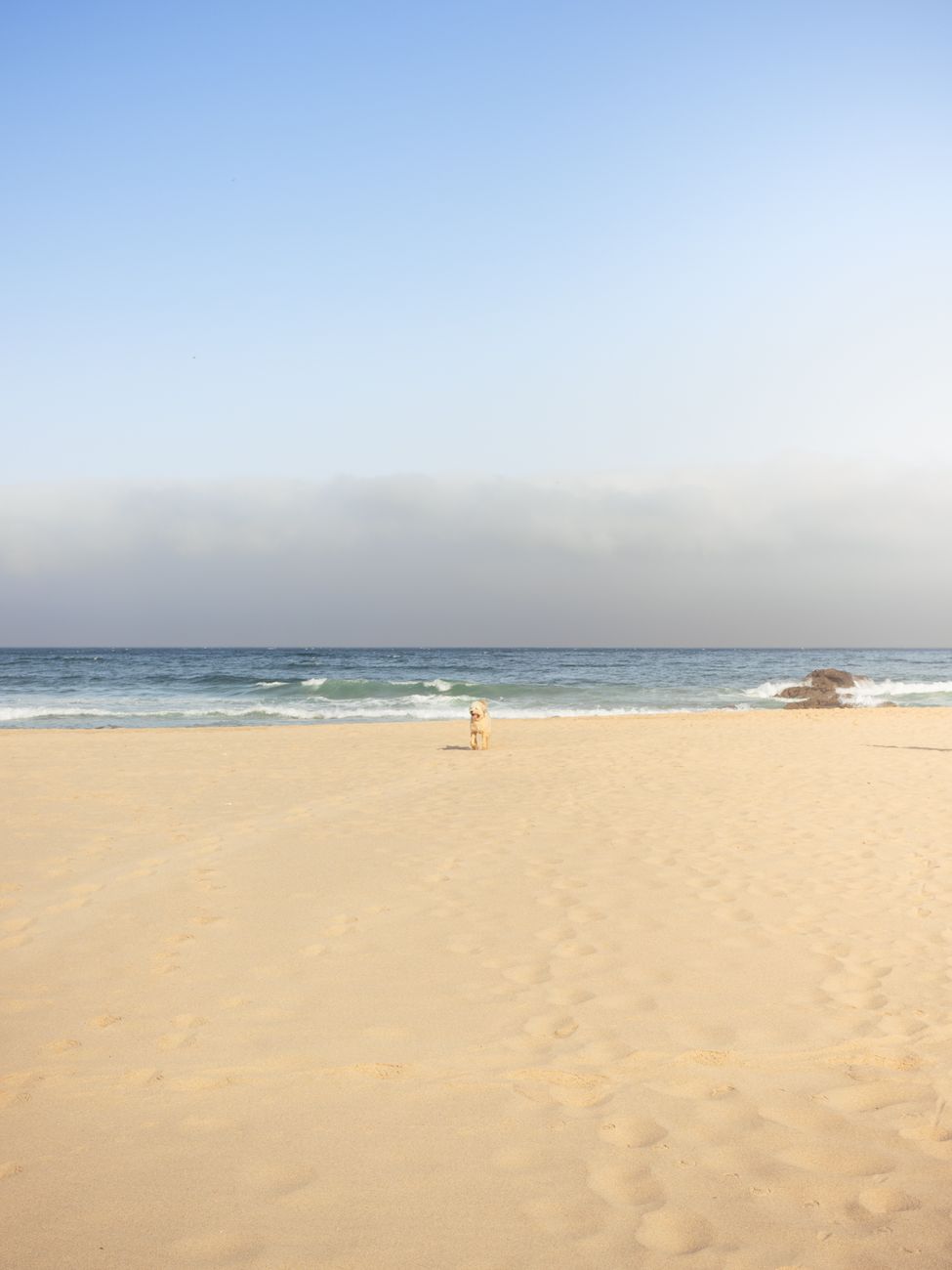
"Portugal is running out of space to place its waste". Government approves 2.3 billion strategyPhoto by Niklas Jeromin on Pexels
Politics
Инвестиции
Космос

"Portugal is running out of space to place its waste". Government approves 2.3 billion strategy

Eco4 September 2026 at 16:03

Portugal is running out of space to place its waste. The Council of Ministers approved this Friday the TERRA strategy – Efficient Transformation of Waste into Environmental Resources, which requires an investment of 2.3 billion euros by 2030. The Minister of the Presidency, António Leitão Amaro, warned that "it is indeed a very serious problem", considering this plan "one of the biggest investment programs of this decade". The strategy had been presented for the first time by the Government in March 2025, when Emídio Sousa was Secretary of State for the Environment.

According to the data presented, 13 of the country's 32 landfills are running out of space and more than half of the trash produced in Portugal ends up deposited in landfills. This scenario contrasts with the national and European goal of reaching 2035 with only 10% of waste having the landfill as its final destination. Emídio Sousa had indicated that investments would amount to 2.1 billion euros, supported by 700 million euros in community funds, but Leitão Amaro now spoke of 1.6 billion euros in public investment.

From 2022 to 2023, urban waste production in the country increased by 0.28%, reaching 5.338 million tonnes, equivalent to about 500 kilograms per inhabitant. Of this waste, 59% is deposited in landfills, 14% is recycled, 12% is used for energy recovery and 8% for organic recovery.

The strategy includes three lines of action: prevention of waste production, expansion of landfill capacity through optimization (and not expansion) and institutional actions. The Minister of Environment and Energy, Maria da Graça Carvalho, stated that expanding landfill cells "seems like the easiest solution, but it is not", facing resistance from local populations. The plan also includes promoting infrastructure sharing, strengthening sorting capacity, organic recovery and energy recovery.

Related articles

Presidente de Cuba considera visita de direção da UNESCO "muito significativa"
Politics

President of Cuba considers UNESCO leadership visit 'very significant'

Cuba's President, Miguel Díaz-Canel, considered the UNESCO leadership's visit to the island "very significant," highlighting the historical ties between the United Nations Educational, Scientific and Cultural Organization and the country. The meeting reinforces the bilateral relations between Cuba and the UN agency, which maintains important partnerships in education, science, and culture.

Correio da Manhã05/09/26, 07:27
“O populismo de direita é o regresso do povo popular. A moderação não é esta obsessão com o consenso e a moderação das ideias ao centro”
Politics

"Right-wing populism is the return of the popular people. Moderation is not this obsession with consensus and the moderation of ideas at the center"

Alexandre Franco de Sá is the guest on the podcast "À Direita", hosted by Teresa Nogueira Pinto, where he addresses the theme of right-wing populism, arguing that it represents the return of the popular people and criticizing excessive moderation, which he considers is not simply an obsession with consensus and the centering of ideas.

SIC Notícias05/09/26, 07:20
Politics

United States: Witkoff and Kushner sent to Moscow and Kiev to negotiate end of war

The United States sent Steve Witkoff and Jared Kushner to Moscow and Kiev to negotiate a ceasefire agreement in the Ukraine war. The announcement comes as Russian attacks on the Dnipropetrovsk region killed four people during the night, according to local authorities, underscoring the urgency of ongoing diplomatic negotiations.

Euronews Portugal05/09/26, 07:14
Los cinco días en que Gobierno y Policía chocaron por la participación de Marruecos en el asalto a Ceuta
Politics

The five days when Government and Police clashed over Morocco's participation in the assault on Ceuta

The week was marked by high tension between the Spanish Government and the Police, related to Morocco's participation in the assault on the borders of Ceuta, when 70,000 foreigners tried to enter the city. The migration crisis resulted in thousands of migrants being held in Ceuta and generated an intense political debate in the streets, in the media and in Congress.

El Periódico Mediterráneo - General05/09/26, 07:14