Xiaomi takes first step to sell electric cars in Europe
Business
Транспорт

Xiaomi takes first step to sell electric cars in Europe

Expresso3 September 2026 at 17:03

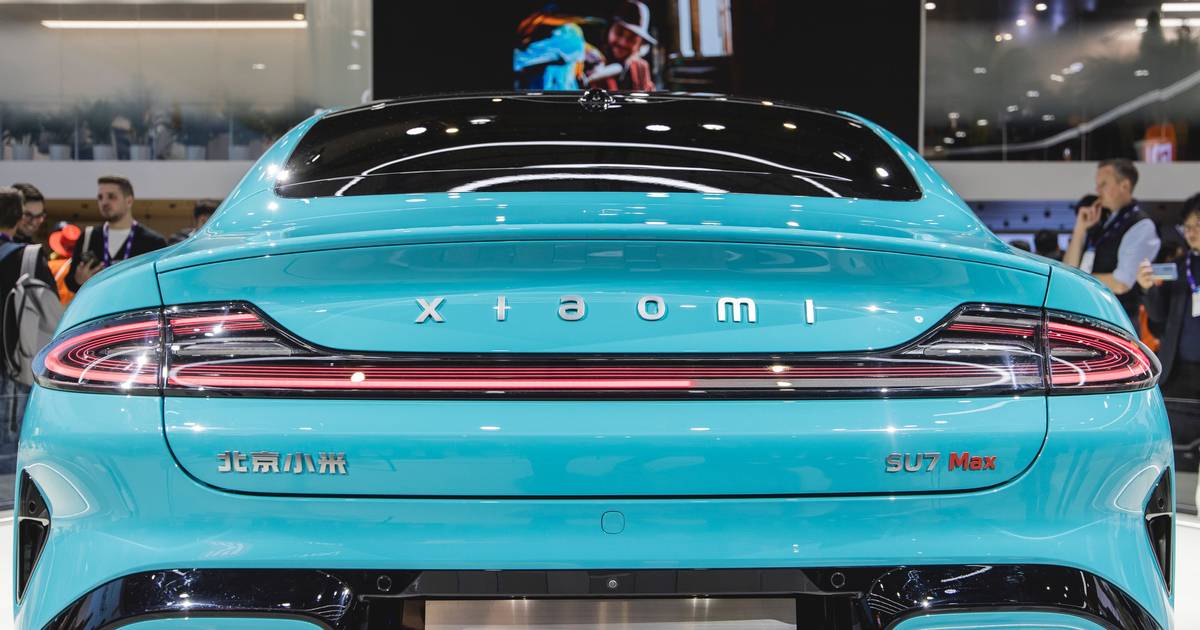
Xiaomi has signed preliminary agreements with eight German dealership groups to create a sales and service network for its electric vehicles in Europe. This partnership marks the first concrete step by the Chinese technology company to enter the European automotive market.

The company plans to start selling its automobiles on the continent in 2027, with Germany as one of the first markets where it intends to be present. The agreement with the German dealerships is essential to establish the necessary distribution and after-sales support infrastructure.

With this strategy, Xiaomi aims to compete in the growing European electric vehicle market, where other Chinese manufacturers already operate. The expansion into the automotive sector represents a significant diversification for the company, which is best known for its smartphones and electronic devices.

Related articles

Business

European Union without immediate risk of gas supply despite low reserves

The European Commission announced that, although EU gas storage levels are below those recorded in previous years, there is no immediate risk to energy supply security. The Gas Coordination Group's assessment indicates that the EU is more prepared than in 2021 and 2022, thanks to the diversification of supply sources, increased LNG import capacity and reduced demand. However, instability in the Middle East keeps Qatar's LNG production suspended, and heat waves in Europe increased gas demand for electricity production, causing price volatility. Portugal stands out with 93.08% of reserves full, one of the highest rates in the EU. A new group meeting is scheduled for September 24.

Jornal Económico04/09/26, 00:26
Business

Winter inflation

Several signs suggest that inflation could remain elevated during the winter in the Eurozone, with year-on-year inflation reaching 3.3% in August, the highest value in three years, driven mainly by energy prices. Fuel prices remain high, natural gas is trading at three-year highs and strategic reserves are historically low, which could cause difficulties if winter is harsh. In food, the El Niño phenomenon and the closure of Black Sea ports are raising fears of a new price surge. The possibility of more aggressive policies from Donald Trump in the second half of his term also contributes to the uncertainty scenario, potentially influencing wage negotiations for 2027 and transforming supply shocks into more structural inflation.

Jornal Económico04/09/26, 00:12
Conselho de Supervisão da Volkswagen aprova plano que prevê despedir 50 mil trabalhadores
Business

Volkswagen Supervisory Board approves plan that foresees laying off 50,000 workers

Volkswagen's Supervisory Board approved a plan that foresees laying off 50,000 workers, in addition to the 50,000 already announced previously, making a total of approximately 100,000 jobs to be eliminated in Germany by 2030, representing about 15% of the total workforce of the automotive group.

Expresso04/09/26, 00:12
Business

Together before the "yes": what has already changed between Mercosur and Europe

The trade agreement between Mercosur and the European Union has been provisionally in force since May 1, functioning as a "de facto union" that already produces real effects, although the full Partnership Agreement still awaits an opinion from the EU Court of Justice, expected by the end of 2027. In the first two months, Brazilian exports to Europe grew by 10 billion reais, an increase of 26% compared to the previous year, driven by products such as mango, coffee and honey. States such as Ceará and Goiás are already feeling significant impacts, with Goiás projecting the creation of 24,200 jobs. While the court has not yet ruled, issues such as safeguard mechanisms for French farmers and the sustainability chapter remain open, leaving companies operating with reduced tariffs but without the definitive political framework of the agreement.

Jornal Económico04/09/26, 00:10