
UN forecasts a 'very strong' El Niño with possible duration until February 2027Photo by Emilio Sánchez Hernández on Pexels
Weather
Инвестиции

UN forecasts a 'very strong' El Niño with possible duration until February 2027

Jornal Económico3 September 2026 at 09:51

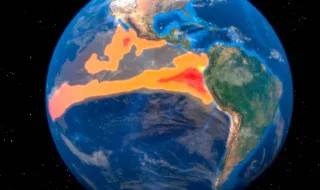
The World Meteorological Organization warned that the El Niño phenomenon is firmly established and should intensify further in the coming months, reaching a very strong intensity with a probability close to 100% of lasting until February 2027. The peak of the phenomenon is expected at the end of 2026. Sea surface temperatures in the equatorial Pacific are already significantly above average, having reached 1.5 degrees above normal between May and July 2026, rising to two degrees above normal in July, and reaching records of 2.2 to 2.6 degrees above average between late July and mid-August.

The UN Secretary-General, António Guterres, warned that the world is in a high-risk situation with extreme weather events, stating that "the planet is entering uncharted waters" and that sea surface temperatures are reaching record levels. Guterres emphasized that this exceptional El Niño event requires exceptional preparation and response, warning of a "race against time" between growing risks and the need to act against climate change.

El Niño is a natural phenomenon that occurs every two to seven years, characterized by the warming of the surface waters of the central and eastern equatorial Pacific, causing changes in wind patterns, pressure, and precipitation worldwide. Historically, the phenomenon has caused or intensified droughts in the Amazon, Central America, Indonesia, and Australia, disrupted monsoons in India, and brought torrential rains to East Africa. This phenomenon adds to the climate change caused by human activities, exacerbating extreme weather events.

Many climate scientists predict that 2027 could be the warmest year ever recorded, since the heat stored in the ocean during El Niño is released into the atmosphere the following year. The warmest year to date is 2024, following the last El Niño.

Related articles

Weather

El Niño will be 'very intense' until February, UN weather agency warns

The World Meteorological Organization (WMO) warned that the El Niño phenomenon will be "very intense" until February, and could prolong its extreme climate effects. Normally, El Niño peaks at the end of the year, but the heat accumulated in the oceans transfers more slowly to the atmosphere, which causes global temperatures to remain elevated in the following year.

Euronews Portugal03/09/26, 10:21
El Niño vai ficar ainda mais forte e pode prolongar-se até 2027
Weather

El Niño is set to become even stronger and could last until 2027

The El Niño climate phenomenon is intensifying and is expected to reach very high levels by the end of the year, potentially lasting until 2027, with significant impacts on global temperatures, precipitation patterns, and increased frequency of extreme weather events in various regions around the world.

SIC Notícias03/09/26, 10:15
Weather

El Niño will become "very strong" and could make 2027 the hottest year ever, UN warns

The World Meteorological Organization warned that the El Niño phenomenon is "firmly established" and is expected to peak at the end of 2026, with a near 100% probability of persisting until February 2027. The UN predicts that the intensification of this phenomenon, which is the warm phase of the ENSO cycle, could make 2027 the hottest year ever recorded, with significant impacts on global temperature and precipitation patterns.

SOL03/09/26, 10:00
Weather

"Extreme weather conditions". UN warns of an "extremely intense" El Niño arrival

El Niño is rapidly intensifying and could become the strongest in the last thousand years, according to a new report from the World Meteorological Organization of the United Nations. The climate phenomenon, which occurs when the surface waters of the equatorial Pacific warm abnormally, threatens to trigger extreme weather events in the coming months, including severe droughts, floods, and heat waves in various regions of the world.

RTP Notícias03/09/26, 10:00