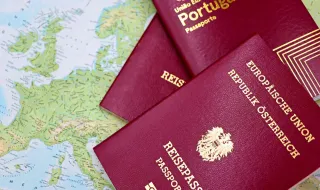
The trade agreement between Mercosur and the European Union has been provisionally in force since May 1, functioning as a "de facto union" that already produces real effects, although the full Partnership Agreement still awaits an opinion from the EU Court of Justice, expected by the end of 2027. In the first two months, Brazilian exports to Europe grew by 10 billion reais, an increase of 26% compared to the previous year, driven by products such as mango, coffee and honey. States such as Ceará and Goiás are already feeling significant impacts, with Goiás projecting the creation of 24,200 jobs. While the court has not yet ruled, issues such as safeguard mechanisms for French farmers and the sustainability chapter remain open, leaving companies operating with reduced tariffs but without the definitive political framework of the agreement.
Jornal Económico04/09/26, 00:10