When the fear of being sick makes us really sickPhoto by Beatriz Fernandes on Pexels
Science
Инвестиции

When the fear of being sick makes us really sick

Observador3 September 2026 at 06:01

The article addresses the relationship between the fear of being ill and the development of real physical symptoms, even when the feared disease is not present. Anxiety can cause physical changes in the body that mimic symptoms of various illnesses.

The text explains that the symptoms felt are genuine, but their cause may not be the disease the person imagines having. This phenomenon creates a cycle difficult to break, where fear generates symptoms and symptoms amplify fear.

The article indicates that anxiety may be the true origin of various physical changes, from palpitations and breathing difficulties to pain and various discomforts. This connection between mental health and physical manifestations is the central focus of the piece.

The piece aims to inform readers about this dynamic and help understand why it is so challenging to break out of this cycle between fear and symptoms, alerting to the importance of considering the psychological factor in the diagnosis of physical symptoms.

Related articles

El derretimiento de la Antártida está lanzando al océano cada año 6,5 toneladas de mercurio, peligroso contaminante
Science

Antarctica's melting is releasing 6.5 tons of mercury into the ocean each year, a dangerous pollutant

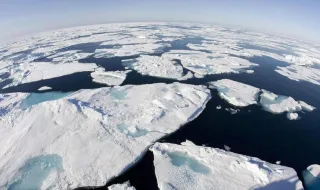
The melting of Antarctica is releasing approximately 6.5 tons of mercury per year into the ocean, one of the most dangerous pollutants on the planet, according to a recently published study. The release of mercury from glaciers on the Antarctic Peninsula has increased by 550% since the pre-industrial era, due to global warming that accelerates the release of this heavy metal that had been trapped for millennia in the ice. Researchers warn that pollutants accumulated in high-altitude mountain ranges could also end up flowing into water courses as glaciers melt and permafrost thaws.

El Periódico Mediterráneo - General03/09/26, 06:55
Science

"Social jet lag": misaligned sleep schedules increase anxiety in adolescents

A new study revealed that adolescents who maintain irregular sleep schedules between the week and the weekend, a phenomenon known as "social jet lag", may have a higher probability of suffering from anxiety. The difference between sleep and wake times during the week and weekend disrupts young people's biological clock, increasing the risk of mental health problems.

Euronews Portugal03/09/26, 06:16
Science

"We have to contribute to nature": communities that "marry glaciers" to create water

Traditional communities in the Karakoram region, in northern Pakistan, are turning to the ancient indigenous practice of "glacier grafting" to face the growing water scarcity caused by climate change. This method involves creating small artificial glaciers at lower altitudes, where frozen water melts more slowly during the growing season, providing water for irrigation when it is most needed. Known as "glacier marriages," these projects involve covering water channels with layers of ice that transform into miniature glaciers over the winter months, allowing agricultural communities to survive increasingly frequent droughts.

Euronews Portugal03/09/26, 06:12
Science

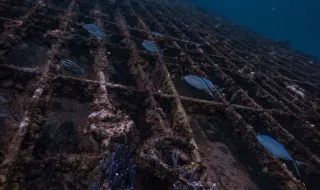
Artificial reefs help preserve biodiversity in Madeira, but do not replace natural ones

A team of Portuguese and Spanish researchers monitored marine life in Madeira and Porto Santo for almost a decade to compare natural and artificial reefs, concluding that submerged structures – including sunken ships – help preserve marine biodiversity, but cannot reproduce the ecological complexity of natural ecosystems. The study, published in the journal Biodiversity and Conservation, showed that although artificial reefs play a positive role in conservation, they do not fully replace the functions of natural geological reefs.

Meteored Portugal03/09/26, 06:07