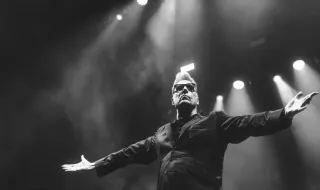
When Beyoncé or Taylor Swift take the stage in front of tens of thousands of people, everything seems to happen instantly: the costume changes, the screens light up, the band enters, and the first chords begin. However, long before that moment, a gigantic machinery is already in motion behind the scenes. The spectacle that reaches the public's eyes is, in fact, the most visible part of an operation that works almost entirely behind the scenes.
The operation behind each show involves equipment that travels across cities and countries, teams that need to arrive at the same destination, sales and access systems that cannot go offline, transportation routes, security protocols, demand forecasting, and a succession of decisions made in real time. Everything needs to work perfectly for the show to happen as expected.
The artists mentioned in the article are Beyoncé and Taylor Swift, two of the biggest global stars in current pop music. The financial dimension of these spectacles gives an idea of the size of this structure, such as Taylor Swift's "Eras Tour," which ended in December, demonstrating the scale of these operations.
The article seeks to explain to the public what is not visible before big shows happen, revealing the logistical and operational complexity required for artists of this magnitude to present their spectacles to tens of thousands of people in arenas around the world.