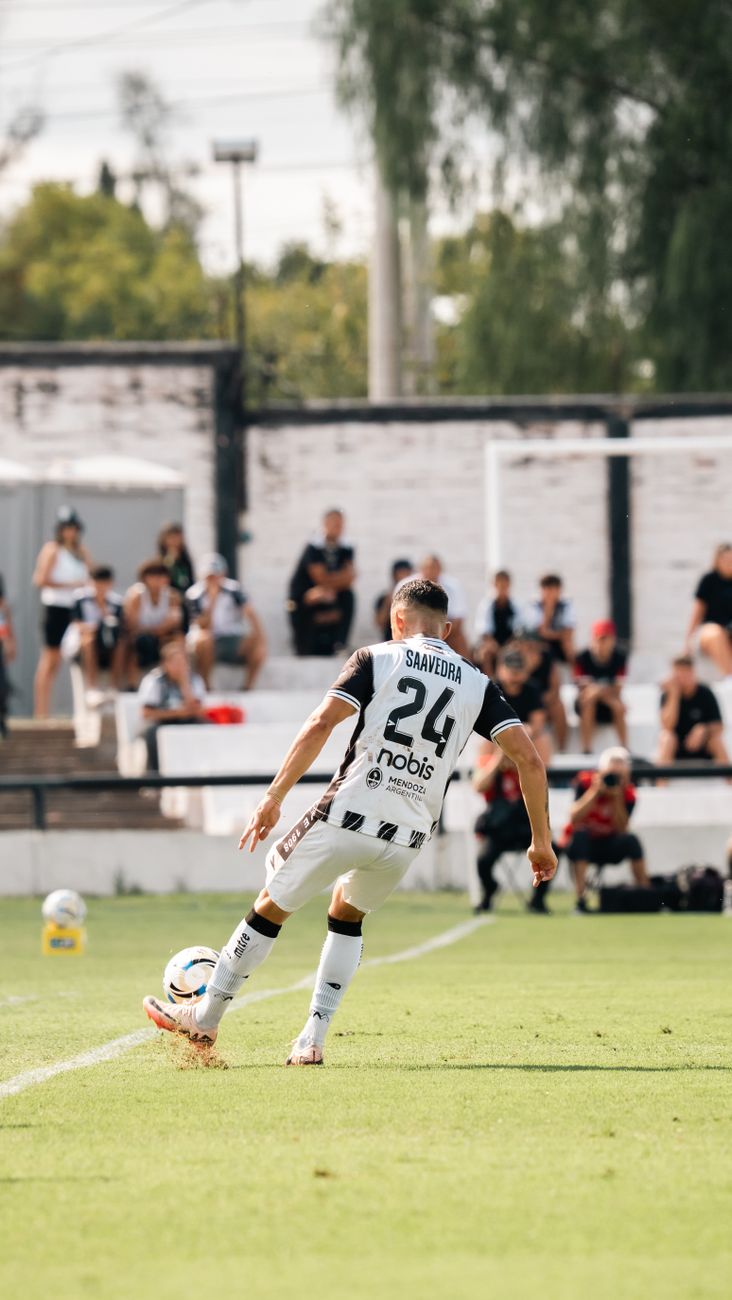
The chronicle addresses the history of the Vavá café in Alvalade, Lisbon, at the corner of Avenida de Roma and Avenida dos Estados Unidos. The establishment was named after the Brazilian striker Vavá, also from Recife like the author Álvaro Filho, since 1958, when the player and the Brazilian National Team, with Pelé and Garrincha, won the first of five world titles. Vavá, known as "Peito de Aço" (Steel Chest), returned to play in the conquest of the second world title in 1962, in Chile.
The author recounts that when he moved to Alvalade, the Vavá was already undergoing a first transformation, with the old political and conspiratorial tertúlias replaced by a petit-bourgeois clientele. Nevertheless, he frequented the space to try to capture traces of the old atmosphere and would take Brazilian friends, especially those from Recife, to see the portrait of their fellow townsman.
The photograph of Vavá that hung on the wall of the café was removed after the latest renovation of the establishment. Álvaro Filho considers the decision an injustice and a lack of "fair play" toward someone who gave so much to football history and to democratic resistance in Lisbon. He suggests that the former owners chose Vavá instead of Pelé or Garrincha precisely because of the "fire in the eyes" of the man from Pernambuco, who never gave up on a challenge.
The author reflects that the new Vavá mirrors today's Lisbon, increasingly gentrified and pasteurized, and has lost the essence of the original. He concludes that although it may look the same, the new space is no longer the same, neither in football nor in spirit. It is, according to him, the story of Vavá's last dribble.