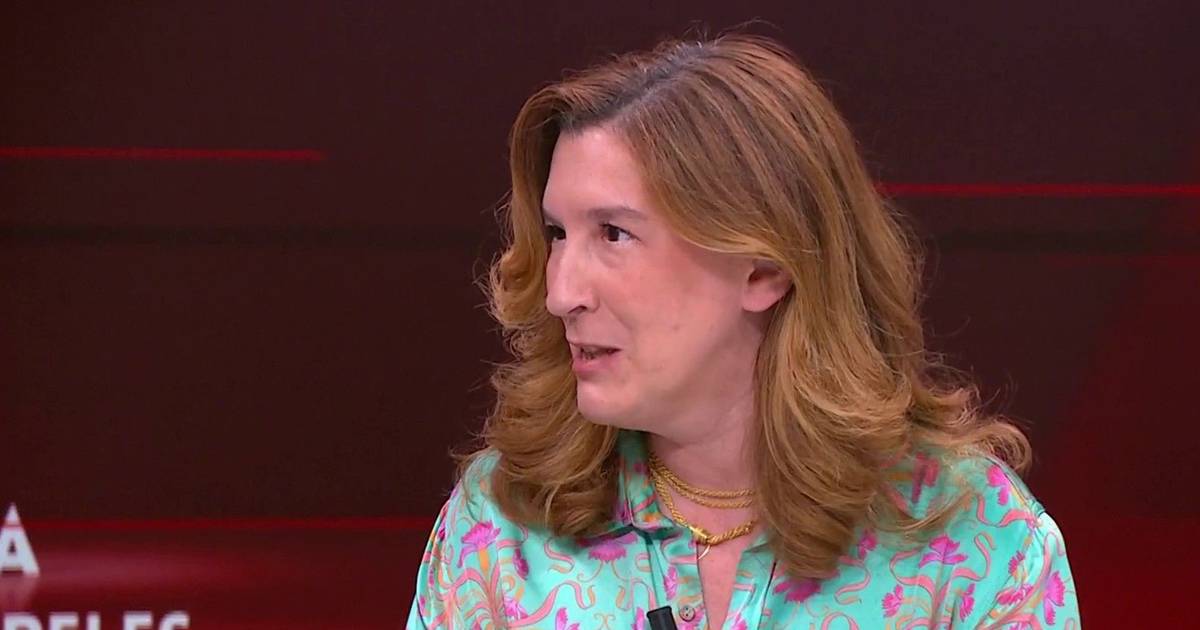
Cecília Meireles and Miguel Prata Roque analyzed this week the motion of censure against the Government presented by Chega, on which André Ventura made the final decision on Tuesday. In Cecília Meireles's view, Chega is a party that has as its main objective leading the political agenda, and the motion of censure represents another moment in which the party attempts to achieve this objective. The motion comes at a time of political tension, with the party seeking to capitalize on current circumstances.
The two analysts also debated the new data from the National Statistics Institute on the Portuguese economy, which provided additional context for the political discussion. The presentation of the motion of censure by Chega is part of a broader strategy by the party to position itself as a dominant force in defining national political priorities.
Cecília Meireles's analysis suggests that the party does not merely intend to oppose the Government, but rather to occupy a central role in defining public debate. Miguel Prata Roque complemented this perspective with his own assessment of the situation, considering the potential impact of the motion on the Portuguese political landscape. Ventura's decision on how to proceed with the motion was awaited with attention, given the party's weight in the opposition.