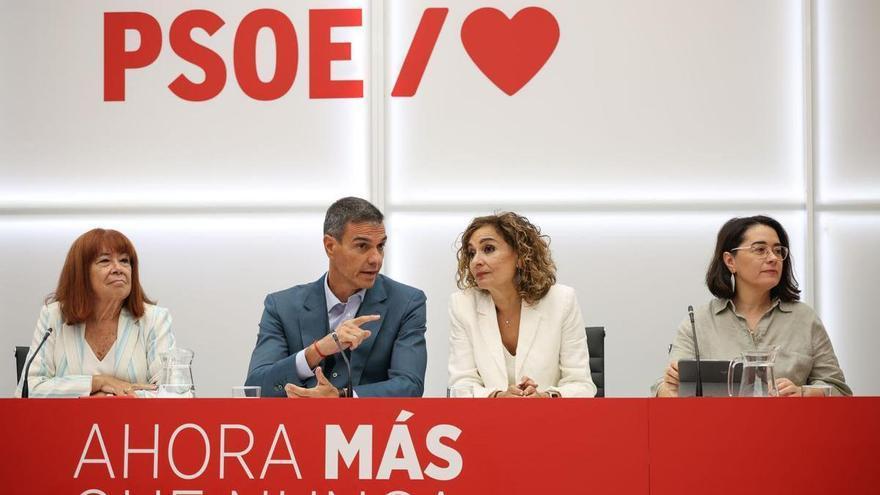
Pedro Sánchez's government has adopted a posture of complacency toward Morocco as the main response to the migration crisis in Ceuta, a strategy that has generated widespread rejection in the Congress of Deputies. During the round of ministerial appearances in the Lower House, all parliamentary groups, from the PP and Vox to the Sumar coalition partners, have questioned the president's management, criticizing that not only is Rabat exempted from responsibilities, but its supposed collaboration is publicly highlighted. This position has provoked a deep rift between the Executive and the political formations that should support it.
Pedro Sánchez will defend his stance before Congress next Thursday, in an appearance in which he will assume the risk of being alone in his defense of the Morocco policy. During an interview granted to Cadena Ser, the president again exonerated the Alawi kingdom from any responsibility for the massive entry of immigrants in Ceuta, insisting on highlighting its cooperative role. This line of argument contrasts with the widespread criticism he has received within the chamber.
Sánchez's diplomatic crisis is not limited to the domestic sphere. The article indicates that the clash with Italy has escalated significantly, showing tensions in Spanish bilateral relations. Furthermore, the Spanish president has directly pointed to Russia and Israel as possible forces behind the crisis in Ceuta, suggesting external influence in the migratory destabilization of the Spanish southern border.