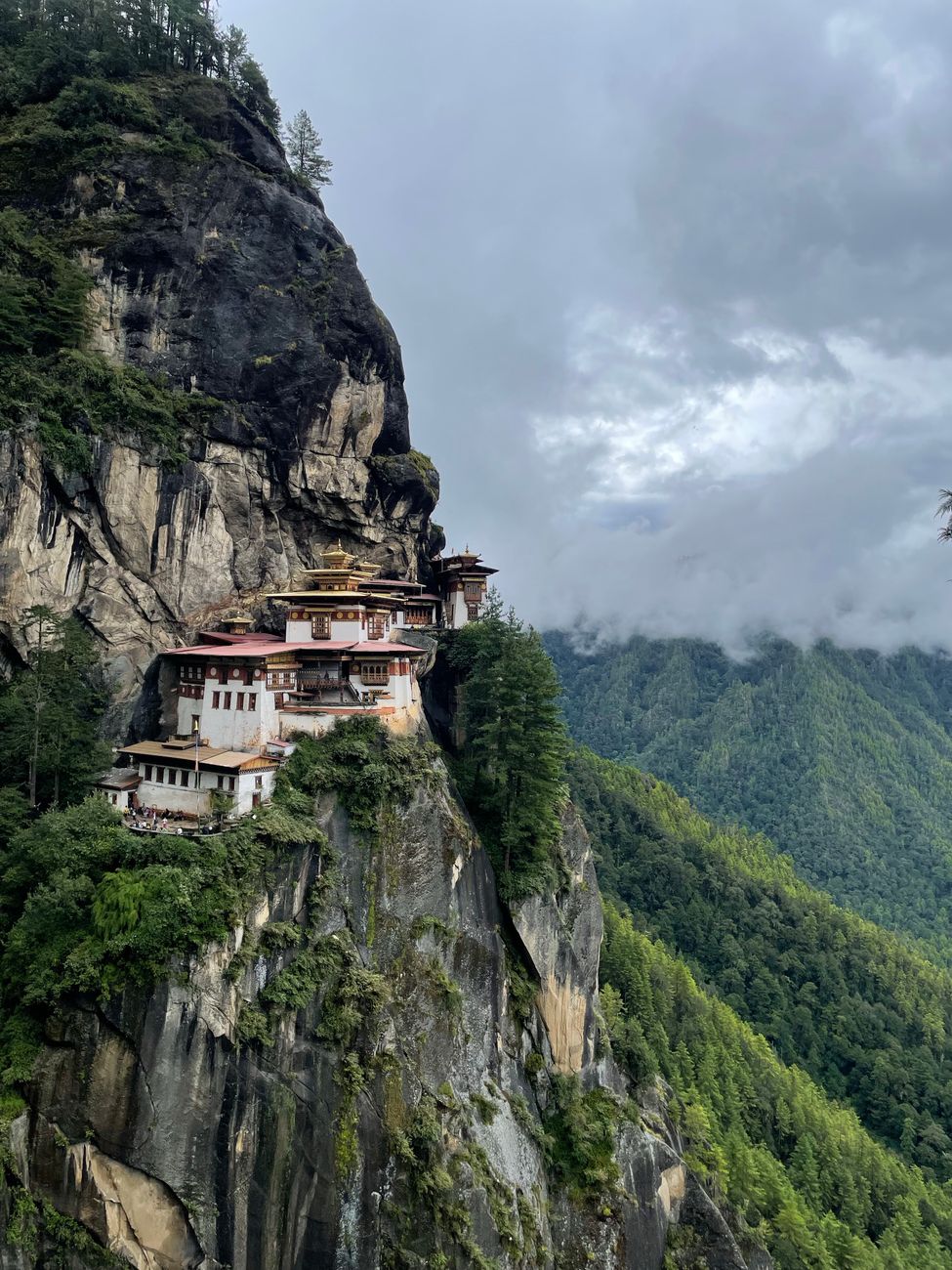
Nepal faces a catastrophe of great proportions, with thousands of people missing following the disaster. The situation on the ground is becoming extremely difficult due to the impossibility of ground travel and the dense mud that prevents canine teams from operating in the affected areas.
Commander Mário Conde emphasized that, in this context, finding a person alive truly constitutes a miracle. The rescue operation faces enormous logistical challenges that significantly complicate the efforts of rescue teams.
Given these difficulties, the commander highlighted the decisive importance of remotely piloted aerial vehicles equipped with thermal cameras. These devices allow identifying survivors among the rubble and mud, functioning as an essential tool to locate people who are alive.
In addition to the search for survivors, these remotely piloted aerial vehicles are also fundamental for transporting essential supplies to the most inaccessible areas, ensuring that humanitarian aid reaches the populations isolated by the catastrophe.