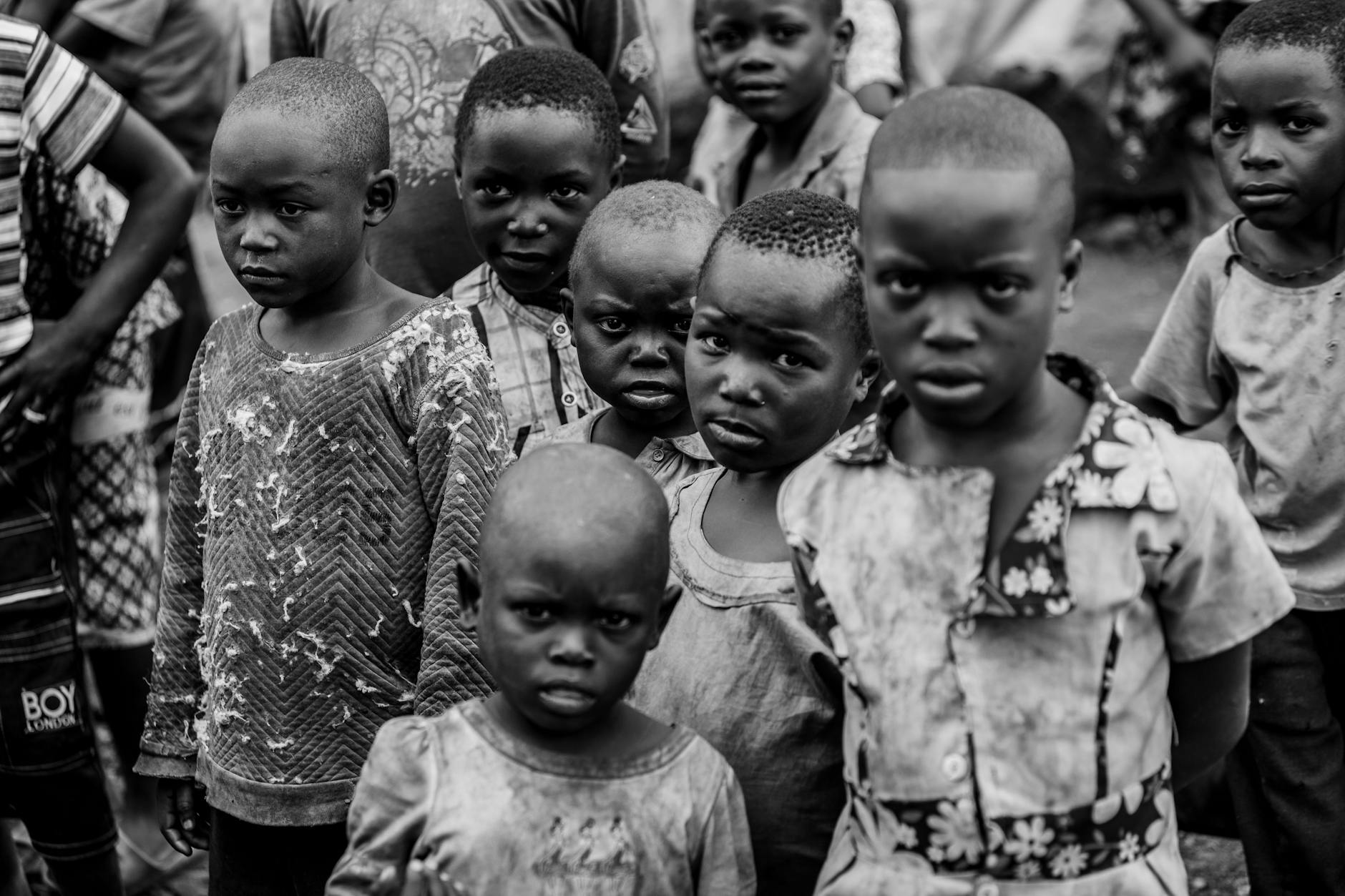
Over 141 thousand children and adolescents received primary healthcare in Cabo Delgado in 2025, through UNICEF's support in that province in northern Mozambique. The organization's 2025 Annual Report, which the Lus news agency had access to, highlights that the combination of humanitarian response and strengthening of public services allowed reaching hundreds of thousands of children and families in one of the organization's largest humanitarian operations in the country. In nutrition, 7,815 children with severe acute malnutrition received outpatient treatment, while 329,444 children were supplemented with vitamin A.
The humanitarian crisis stems from the insurgency affecting Cabo Delgado since October 2017. According to data from the Armed Conflict Location & Event Data Project, 2,408 violent events have been recorded since the start of the conflict, causing over 6,600 deaths. In education, 63,371 children affected by the crisis received teaching materials, 24,200 benefited from resilient school infrastructure and 16,511 adolescents and young people had access to alternative education and vocational training.
In the field of child protection, 283,695 people received community-based mental health and psychosocial support, while 87,981 adolescent girls benefited from programs to prevent early marriages. The organization also supported the birth registration of 7,965 children and trained members of the Defense and Security Forces in the prevention of serious violations against children in conflict contexts.
A United Nations report on Children and Armed Conflict confirmed 552 serious violations against 355 children in Mozambique during 2025, mainly in Cabo Delgado, including 175 cases of recruitment of minors by armed groups, 326 abductions and attacks against 12 schools and one hospital. The impact on children continues to be one of the main concerns of international organizations.