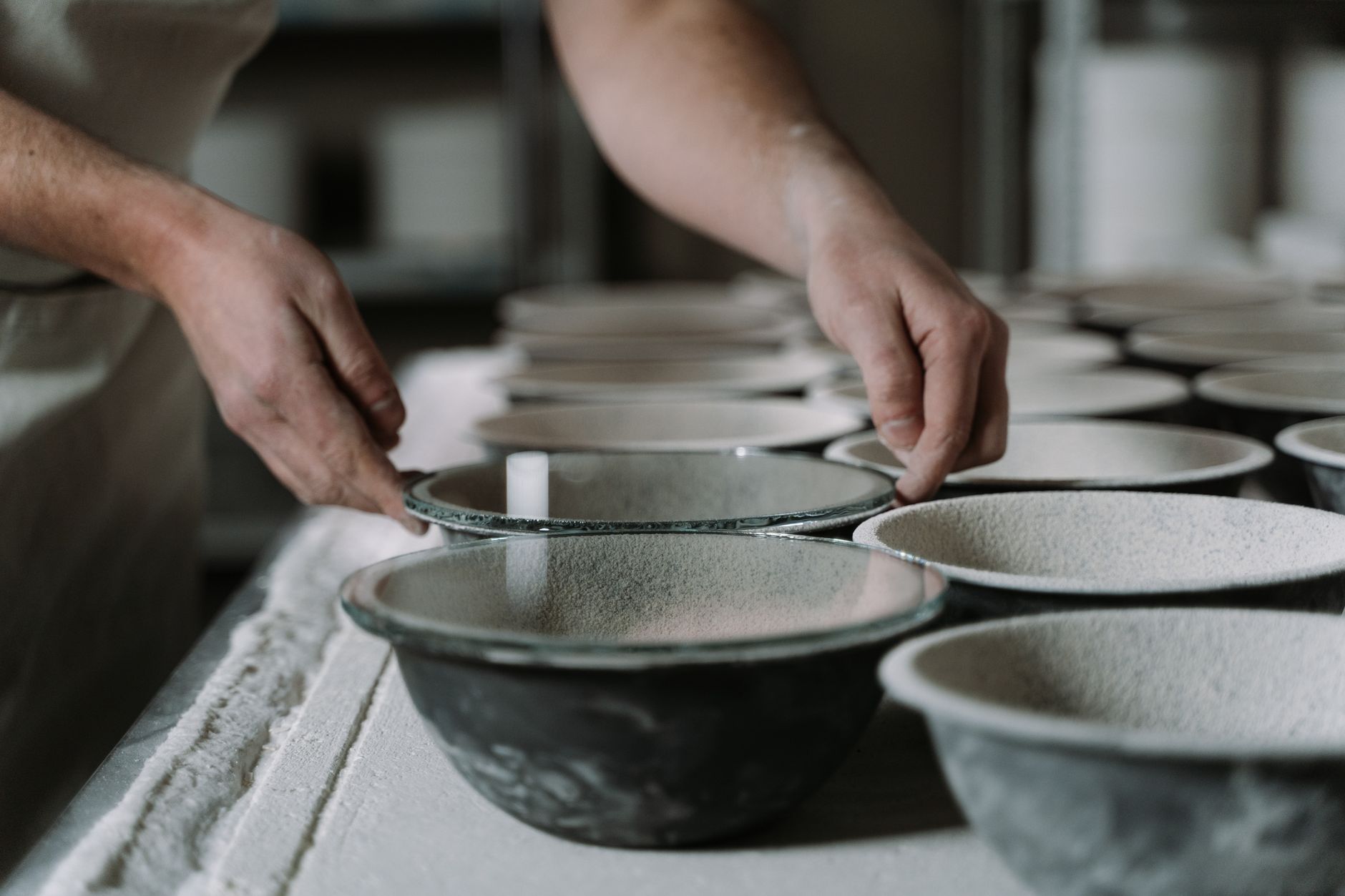
The article addresses the growing trend of using English terms instead of Portuguese words to describe everyday objects. The main example given is the replacement of the Portuguese word "tigela" with the English term "bowl". The author notes that a simple fruit bowl becomes a "fruit bowl", and a bowl with salad and chicken turns into a "poke bowl". This practice extends to various contexts of daily life, from food to home décor. The text suggests that the more English one uses, the more "modern" what one does or consumes appears, even when dealing with mundane and already existing activities. The author questions this trend, suggesting that one should go back to calling "tigela" to the tigela.