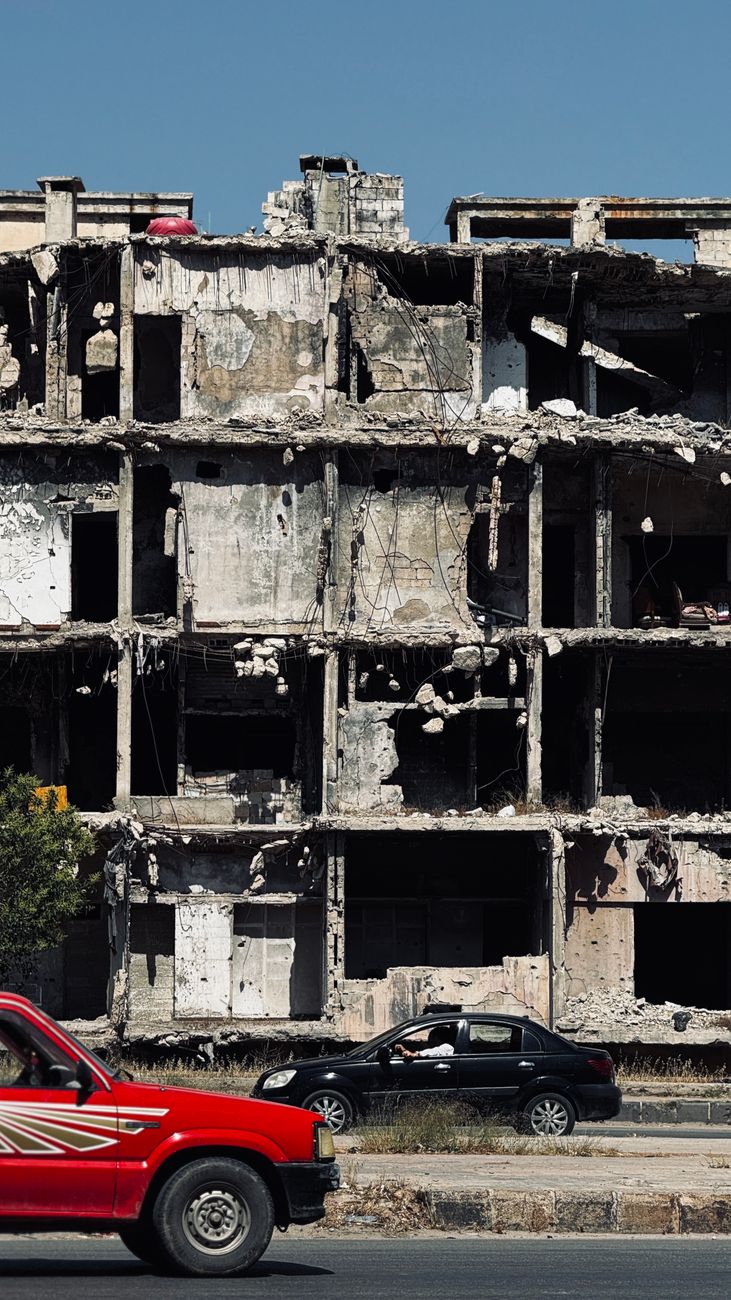
It has been six months since the United States and Israel launched major combat operations in Iran, provoking retaliatory attacks against targets throughout the Gulf and triggering a new war in the Middle East. The conflict, initially expected to last a few weeks, has evolved into an impasse with no signs of ending. Ships attempting to cross the Strait of Hormuz continue to be attacked, peace negotiations have apparently failed, and there are doubts about whether the Trump administration is willing to extend planned secondary sanctions to China.
Energy costs have soared significantly. Brent oil futures have risen nearly 20% since the start of the war, having reached near $120 per barrel due to the strait's blockade. The war also brought a 30% increase in diesel prices per liter and 20% in gasoline prices per liter. Natural gas in Europe is at four-year highs, at $70 per MWh, weighing on the pockets of European families and businesses.
Stock markets resisted the effects of the war. Despite the initial shock to the energy sector, both in Lisbon and across Europe, stocks have already recovered and are near highs. The value of companies in the MSCI index, which covers markets in 47 countries, reached a record of $105 trillion, representing growth of 9% since the start of the war. Gulf countries are among the most affected: Saudi Arabia's exports fell 10%, Qatar's economy is expected to contract nearly 30% this year, and real estate sales in Dubai fell between 70% and 80%.
The effects of the conflict have also reached food production. The reduction in shipments through the Strait of Hormuz affected international fertilizer trade, increasing pressure on food prices. According to Reuters, global food prices reached their highest level in over three years in July, according to the Food and Agriculture Organization of the United Nations. The impact is expected to be greater in countries in Asia, Latin America and Africa, where families spend a larger share of their income on food.