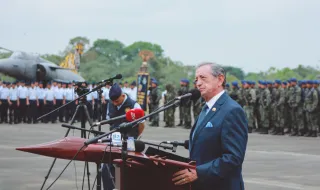
President Luiz Inácio Lula da Silva, after resisting for over three months, began investing in political lobbying with the leadership of the National Congress in search of new electoral flags for his re-election campaign. The change in strategy occurs at a moment of pressure on the president.
Lula faces two simultaneous fronts of pressure. Internally, his lead in polls over PL candidate Flávio Bolsonaro has been shrinking, which generates concern in the allied base. Externally, questions are growing about the allegations involving his son Fábio Luís Lula da Silva, known as Lulinha, and former chief of staff Marco Aurélio Santana Ribeiro, known as Marcola.
With the new relationship with Congress leadership, the government seeks to approve projects that can serve as campaign flags for the electoral dispute, trying to dodge opposition and recover political ground. The lobbying represents a turnaround in the president's posture, who had maintained distance from more intense dialogue with parliamentarians in the previous months.