Thinking ahead to the next World Cup, Saudi investors set to look at "sport and energy" business in Portugal
Eco29 August 2026 at 18:10
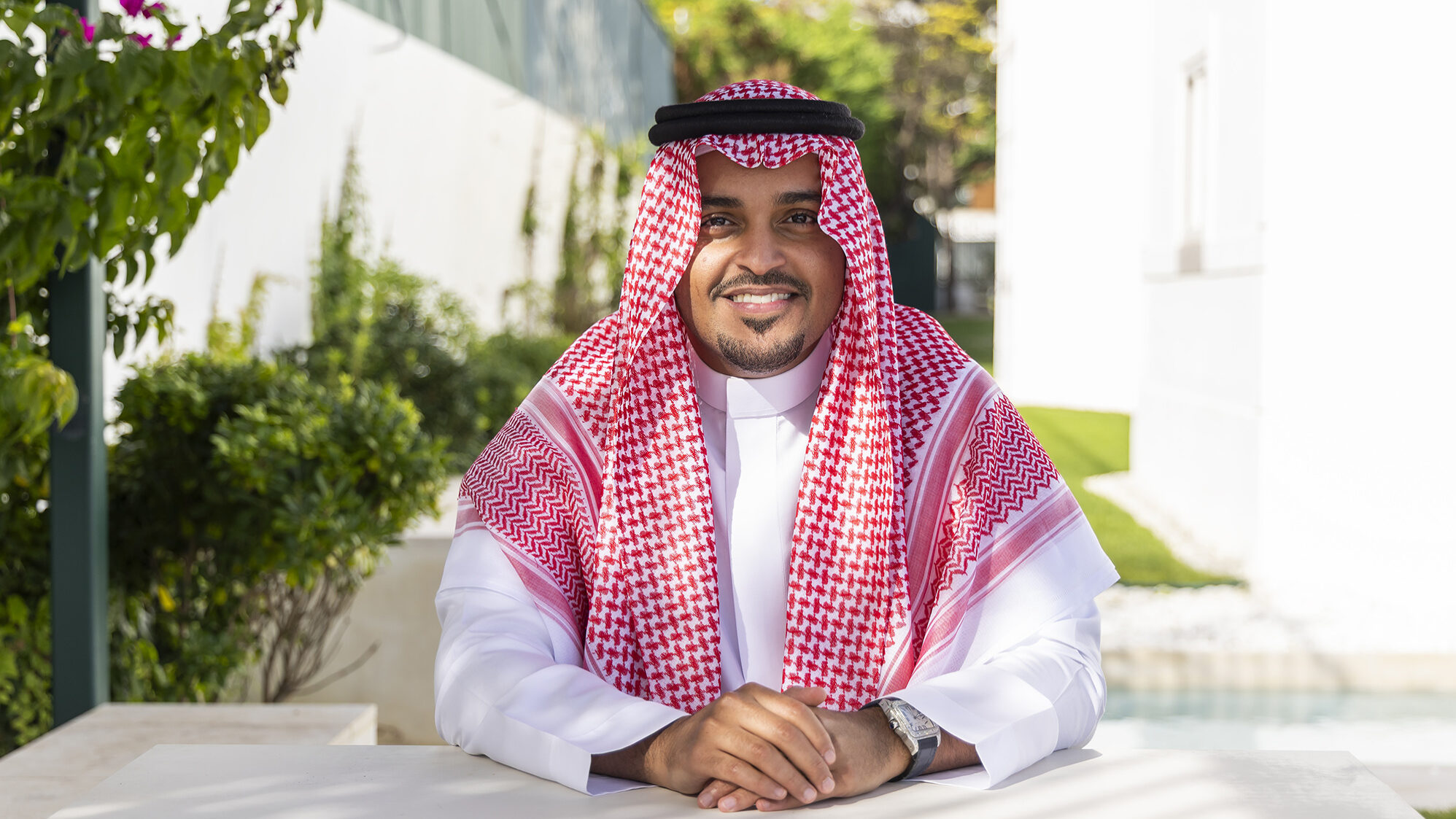
A delegation of Saudi businesspeople is in Portugal until Tuesday as part of an official visit by the Saudi government. After signing agreements with Portuguese companies related to healthcare innovation, the Saudi-Portuguese Business Council (SPBC) will now begin looking at the sports and energy sectors. The president of the SPBC, Alwalid Albaltan, explained that the interest in these sectors is due to Portugal hosting, alongside Spain and Morocco, the 2030 World Cup, with Saudi Arabia as the host in 2034.
On Monday, four Portuguese companies — DigestAId, Ciberbit, ITGest and NBClinic — signed bilateral memoranda of understanding with Saudi businesspeople at the headquarters of CIP — the Portuguese Business Confederation. These companies, in the technology and health sectors, intend to have commercial representation, launch operations in Riyadh or seek financing. The SPBC, created in 2024 and with 70 members, has been helping Portuguese companies expand into Saudi Arabia, acting as a bridge between the private sectors of both countries.
Alwalid Albaltan stated that "many Saudis want to invest in Portugal," but warned that both countries need to improve the investment process. The SPBC leader argued that if the knowledge about how to invest in Portugal is clearer for Saudi investors, more results will be seen. On the other hand, Portuguese businesspeople still fear entering the Persian Gulf, considering the opening in Saudi Arabia a risk.
Saudi investors are planning a fourth visit to Portugal during Web Summit, which takes place between November 9 and 12, in Lisbon. The SPBC will be present with a delegation specialized in startups, in coordination with Monshaat, the authority for small and medium enterprises in Saudi Arabia. Albaltan highlighted that Portugal has "good human capital" and "very kind, open and intelligent people," hoping to develop joint programs with Lisbon's Unicorn Factory and Startup Portugal.
Alwalid Albaltan, presidente do Conselho Empresarial Arábia Saudita-Portugal, em entrevista ao ECOHugo Amaral/ECO
A delegação de empresários sauditas que está em Portugal até terça-feira vai começar a olhar para os setores do desporto e da energia, depois de assinar acordos com empresas portuguesas ligadas à inovação dos cuidados de saúde. Quem o diz é o presidente do Conselho Empresarial Arábia Saudita-Portugal, que está em Lisboa para representar os privados no âmbito de uma visita oficial do Governo saudita.
A motivar o interesse está o facto de Portugal acolher – a par com Espanha e Marrocos – o próximo Campeonato do Mundo de Futebol, em 2030, e de seguida ser a Arábia Saudita a anfitriã, em 2034. “Já estamos a pensar noutros setores, como o desporto ou a energia. Ainda não fizemos contactos, mas, com base no que estamos a ver, estes dois setores, especialmente o desportivo, por causa do Mundial, merecem atenção por parte do setor privado, uma vez que ambos os países vão receber Campeonatos do Mundo nos próximos anos”, explicou Alwalid Albaltan, em declarações ao ECO.
Negócios ligados ao desporto ou à energia são os próximos alvos, depois da saúde, que deu mote à primeira comitiva considerada setorial deste conselho. Na opinião dos membros do Conselho Empresarial Arábia Saudita-Portugal (SPBC), a especialização dá “mais resultados em termos de investimento e troca de conhecimento”.
Numa entrevista ao ECO, no âmbito da terceira visita oficial do grupo a Lisboa, o presidente do SPBC afirmou que “agora muitos sauditas querem investir em Portugal”, mas há um aspeto que os dois países precisam de melhorar em conjunto para ver mais resultados: o processo de investimento.
“Qual é? Como se abre uma empresa? Como é que se chega às oportunidades de investimento? Se se tornar acessível, veremos os resultados. Acredito que, se o conhecimento sobre como investir em Portugal for mais claro para os investidores sauditas, veremos aqui muitos mais”, diz o líder o SPBC, criado em 2024 e que reúne os investidores privados sauditas que estejam interessados em Portugal ou tenham investimentos no país, bem como as empresas portuguesas com licença comercial na Arábia Saudita e, portanto, são consideradas sauditas.
Por sua vez, em geral, os empresários portugueses ainda receiam entrar no Golfo Pérsico, onde a instabilidade aumentou com o ataque dos Estados Unidos ao Irão. “Tenho constatado que muitas empresas portuguesas não querem correr o risco de abrir um novo mercado. Preferem sempre recorrer a quem já conhecem. Consideram a abertura na Arábia Saudita um risco. A Arábia Saudita tornou-se um grande mercado, onde a flexibilidade e a comunicação são fundamentais”, referiu Alwalid Albaltan, apelando a que Portugal “acredite em si mesmo”, e arrisque, porque “tem grande capacidade e conhecimento”.
Quando começámos, a nossa visão era: Portugal tem um potencial muito grande. A questão é que ninguém do Médio Oriente conhece este potencial e não havia qualquer relação com o setor privado. O objetivo, nos primeiros dois anos, era construir essa consciência. Agora, o próximo passo é focarmo-nos mais em setores.
Alwalid Albaltan
Conselho Empresarial Arábia Saudita-Portugal
Na segunda-feira, quatro empresas portuguesas, das áreas de tecnologia e saúde, vão assinar acordos com empresários sauditas com o objetivo de terem uma representação comercial, arrancarem operações em Riade ou procurarem financiamento. Os memorandos de entendimento bilateral serão rubricados com as nortenhas DigestAId, Ciberbit e ITGest e a clínica de medicina estética NBClinic, na sede da CIP – Confederação Empresarial de Portugal.
Como é que chegaram até aqui? Como é que se cria a ponte para a expansão no maior país do Médio Oriente? Inicialmente, existem os canais oficiais para qualquer empresário ou empresa portuguesa que queira abrir uma filial no estrangeiro, neste caso na Arábia Saudita: as entidades públicas ou do Governo, como a AICEP – Agência para o Investimento e Comércio Externo de Portugal, que tem um escritório em Riade, a homóloga SIPA – Autoridade de Promoção do Investimento Saudita ou o Ministério do Investimento da Arábia Saudita (MISA).
Mas é possível recorrer também à “voz dos privados”, o SPBC. Alwalid Albaltan conta que, por exemplo, a ITGest contactou a AICEP e o MISA, que acabaram por contactar este grupo de 70 membros. “Tivemos a primeira reunião e, depois de compreendermos os seus objetivos, ajudámo-los a expandir-se para a Arábia Saudita. É um processo rápido”, garante, recordando que a estratégia Visão 2030 para a diversificação económica fez com que o número de empresas internacionais no reino crescesse.
O fundador do grupo Albaltan não tem dúvidas de que existem semelhanças culturais entre portugueses e sauditas, desde logo porque ambos precisam de um almoço ou um café para o aperto de mão que é sinal de negócio. “Somos todos seres sociais. Sempre que queremos fechar um negócio, temos de convidar alguém para jantar ou almoçar antes. Na Arábia Saudita é a mesma coisa, portanto não há problema nenhum.”
Empresas da Arábia Saudita regressam a Lisboa na Web Summit
O Conselho Empresarial Arábia Saudita-Portugal estará presente na cimeira tecnológica com uma delegação privada especializada em startups, em coordenação com a Monshaat – a autoridade para pequenas e médias empresas na Arábia Saudita – e tem agendas reuniões com a Unicorn Factory de Lisboa e a Startup Portugal para desenvolver programas conjuntos, porque Portugal tem “um bom capital humano” e “pessoas muito amáveis, abertas e inteligentes”.
The article analyzes the differences between retiring with 40 or 48 years of contributions in Portugal, clarifying that years of contribution above 40 do not count just as three months each, but rather allow reducing the personal retirement age by four months for each complete year. With 40 years of contributions, it is possible to access early retirement through flexibility at age 60, but leaving before the personal retirement age implies penalties of 0.5% for each month of anticipation. With 48 years of contributions and at least 60 years, there is access to early pension without penalty under the very long careers regime. The pension value depends on various factors, including the best years of remuneration, and the calculation considers only up to 40 years of contributory career, although additional years can replace periods with lower salaries. Social Security recommends simulation before making any decision.
The president of the Azores Agricultural Federation warned that milk producers in São Miguel could lose 15 million euros in revenue by the end of the year due to price reductions announced by the industry. This is described as a dramatic situation, in a context where production costs are also increasing, with particular emphasis on the price of diesel, and where producers feel lacking support from the Regional Government of the Azores.
Died on Saturday at age 82, businessman Carlos Espinosa de los Monteros, who was president of Iberia and first High Commissioner for the Brand Spain. He developed much of his career in public administration and the corporate sector, working on the international projection of the country. He was father of Iván Espinosa de los Monteros, former Vox leader.
The municipality of Cuba, in the Alentejo, is developing a new communication and tourism promotion strategy, launching a periodic newsletter aimed at tour operators. The strategy focuses on enhancing talha wine, traditional taverns, gastronomy, and Alentejo Cante as differentiation factors, seeking to position the municipality as a destination in its own right on the tourism map of the Alentejo and attract visitors interested in cultural, heritage, and wine tourism experiences.