All news
Politics
Business
Technology
Incidents
Sports
Weather
Science
Entertainment
World
Real Estate
AI News
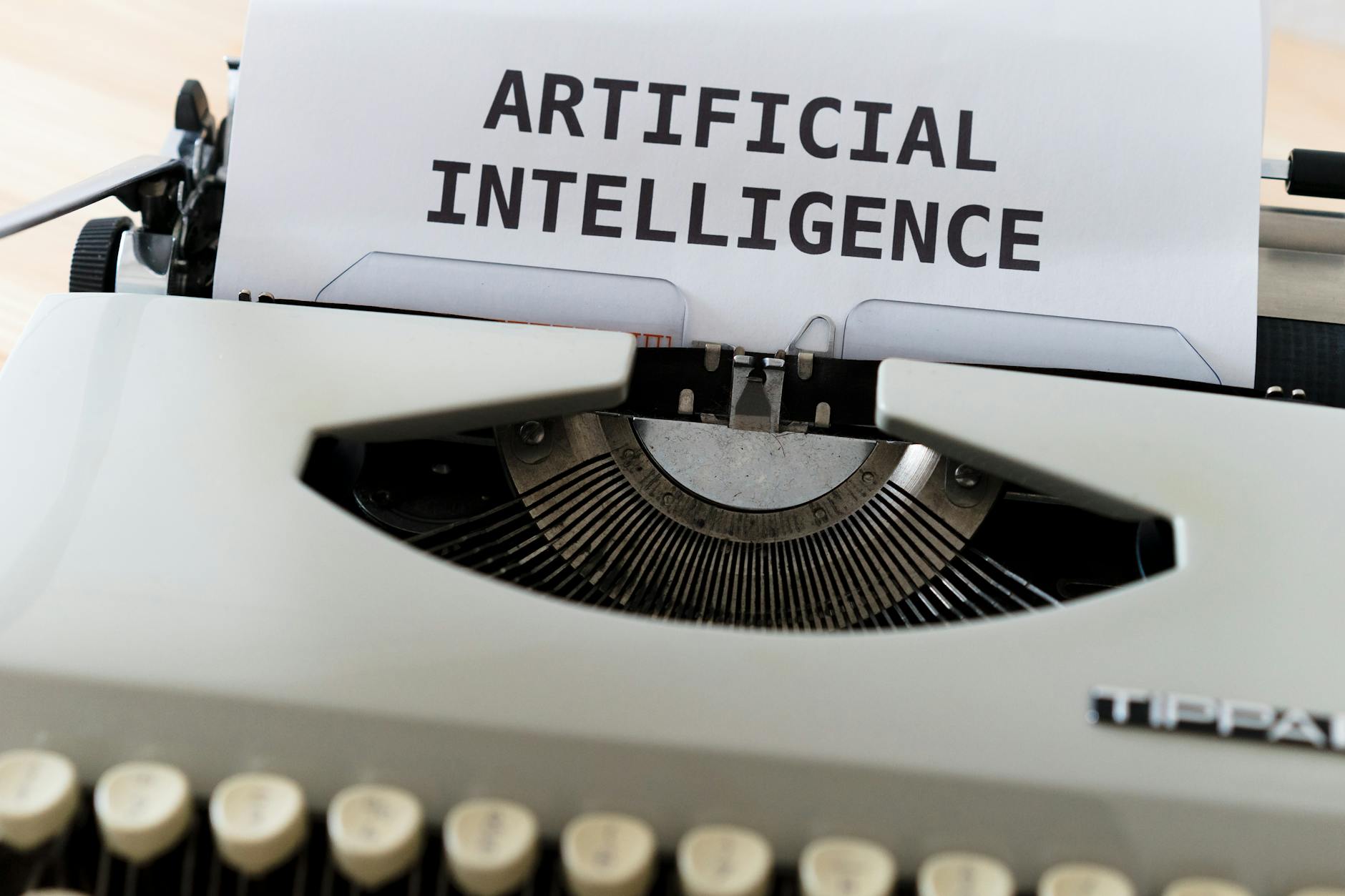
Skeptics vs enthusiasts: Who is who in the global dispute over AI risksPhoto by Markus Winkler on Pexels
Technology

Skeptics vs enthusiasts: Who is who in the global dispute over AI risks

Euronews Portugal15 September 2026 at 11:51

The global debate over artificial intelligence risks divides specialists and technology sector executives. On one side, Dario Amodei, CEO of Anthropic, the company that created the Claude chatbot, has warned that AI could pose an existential threat and even lead to human extinction. On the other side, Jensen Huang, CEO of Nvidia, the manufacturer of chips essential for AI development, considers this type of warning "nonsense" and minimizes the dangers pointed out by skeptics.

The dispute between skeptics and enthusiasts involves prominent figures in the technology sector. While names like Amodei and Geoffrey Hinton, considered the father of deep learning, point to catastrophic risks, executives like Huang and Sam Altman, CEO of OpenAI, tend to minimize these concerns, although they acknowledge that the technology requires regulation and caution.

The article presents this confrontation as a debate that shapes the future of global technology, influencing political decisions, billion-dollar investments, and the direction of AI research. Each figure's position in the debate is often linked to the commercial interests of their respective companies, which adds a layer of complexity to discussions about the true risks of technology.

The divergence among sector leaders reflects a central question: to what extent does AI represent a real threat to human survival, and how should society prepare for a future increasingly dominated by these technologies.
Why this matters

Readers in the region are directly affected by these technologies, which already influence labor markets, productivity tools, and everyday decisions. The article is relevant because it presents the conflicting views that are shaping regulation, investments, and the future of AI worldwide, including in Portugal and Europe. The position that prevails in this debate could determine what rules and limits the technology will have in the coming years.

About this summary

This is our short summary of a report published by Euronews Portugal on 15 September 2026 at 11:51; the full text stays with the publisher. In our feed it sits under Technology. We currently carry 4546 items in that section.

All items in this section →
Source

Related articles

Technology

Japanese startup is building houses with robotic arms that handle household tasks

The Japanese startup MW is developing homes equipped with fixed robotic arms integrated into the walls, designed to perform household tasks automatically. Instead of creating mobile robots that navigate the house, the company chose to build the dwelling around the robot, automating activities such as cleaning and organization.

SAPO Tek15/09/26, 13:08
Há um unicórnio espacial europeu com fábrica em Coimbra
Technology

There is a European space unicorn with a factory in Coimbra

The British satellite manufacturer Open Cosmos closed a 300 million euro funding round, becoming the latest European space unicorn, valued at around 2 billion euros, according to the New York Times. One of the company's four production units is in Coimbra, where a small Portuguese satellite industry is emerging, almost unnoticed by the public.

ZAP Notícias15/09/26, 12:30
Technology

Robot parking at Gatwick promises safer and simpler long-stay parking

London's Gatwick airport is testing a robot parking system that promises to make long-stay parking safer and simpler for most vehicles, with a small additional cost. The automated parking technology works through an application that allows travelers to leave their car in a designated area, where a robot then transports it to the parking spot. The system aims to reduce vehicle damage, eliminate the stress of finding a space, and optimize available space in the car park.

Euronews Portugal15/09/26, 12:17
Um ‘scan’ ao rosto para comprar álcool: Inglaterra e País de Gales autorizam identificação biométrica nos bares
Technology

A 'scan' of the face to buy alcohol: England and Wales authorise biometric identification in bars

England and Wales have approved new rules allowing the use of biometric facial recognition technology in pubs, bars, nightclubs, restaurants and other establishments selling alcohol to verify customers' age, replacing traditional identification methods.

SAPO Notícias15/09/26, 12:14