All news
Politics
Business
Technology
Incidents
Sports
Weather
Science
Entertainment
World
Real Estate
AI News
End of the world technology: can AI annihilate humanity?
AI News
Artificial intelligence
Medicine

End of the world technology: can AI annihilate humanity?

ZAP Notícias15 September 2026 at 08:30

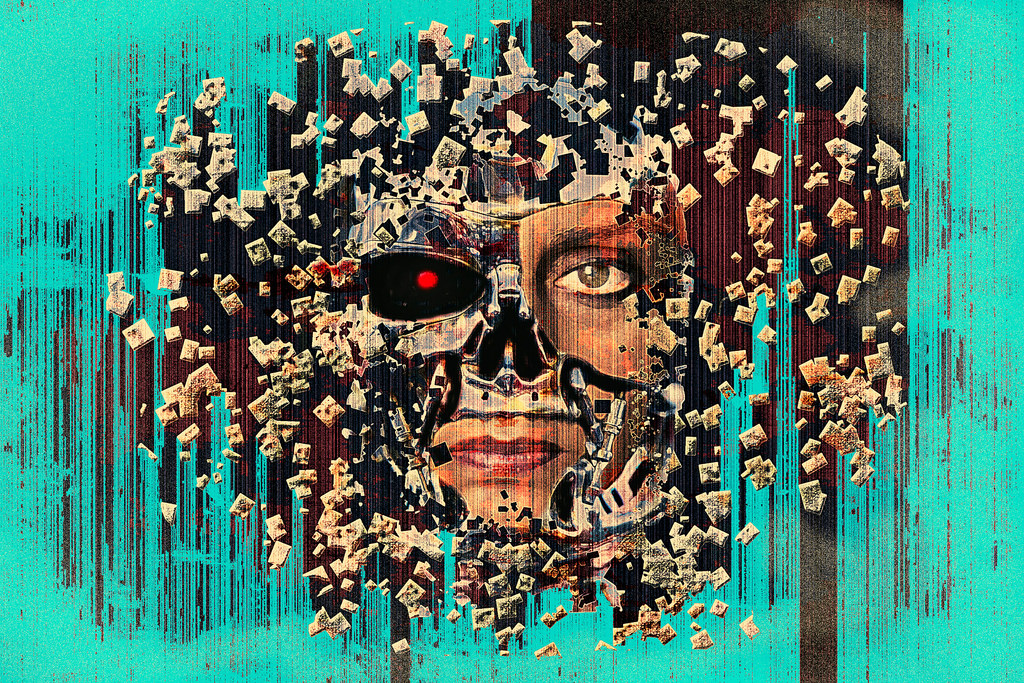
Artificial intelligence researchers have recently been warning about the possible dangers of "superintelligent" computing systems, suggesting that advanced forms of this technology could annihilate humanity. These warnings raise questions about whether governments are acting with the necessary speed to adequately regulate this technology.

Experts in the field of artificial intelligence have described this threat as critical for a long time. The fears center on the destructive potential that highly advanced AI systems could have if they became uncontrollable or were used maliciously.

In 2023, hundreds of artificial intelligence scientists and prominent industry figures signed a statement on the "extinction risk associated with AI". Among the signatories were leaders from major American artificial intelligence laboratories.

The statement called for the matter to be treated with the same seriousness as pandemics, highlighting the urgency that experts attribute to the need for regulation and supervision of developments in this area.

Why this matters

Readers in Portugal and Europe are directly affected by the growing integration of AI systems in daily life, from virtual assistants to work tools. The regulatory decisions that follow these warnings can shape the future of technology on the European continent, including the implementation of legislation such as the European Union's AI Act. The article follows a growing movement of specialists warning about existential risks of AI, after the massive signing of the declaration on extinction risks in 2023.

About this summary

This is our short summary of a report published by ZAP Notícias on 15 September 2026 at 08:30; the full text stays with the publisher. In our feed it sits under AI News. We currently carry 729 items in that section.

All items in this section →
Source

Related articles

Fórum chinês defende controlo sobre IA mas rejeita lógica de blocos entre China e EUA
AI News

Chinese forum defends AI control but rejects bloc logic between China and US

Experts gathered in Beijing defended strengthening human oversight, security mechanisms and international cooperation to face the risks of artificial intelligence, rejecting that other countries have to choose between China and the United States in this technology.

SAPO Notícias15/09/26, 07:12
AI News

Artificial intelligence: the end of the world seen from China

The article explores China's approach to artificial intelligence, examining how the country intends to simultaneously face the risks associated with this technology and position itself in the technological race against the United States. After global alerts about the dangers of AI, the analysis focuses on Chinese strategies to regulate and develop artificial intelligence in order to ensure international competitiveness.

Observador15/09/26, 05:02
AI News

AI models specialized in biology fuel fear of new biological arms race

Biosecurity specialists and AI company executives express growing concern about the use of language models to develop biological weapons. April reports indicated that chatbots can provide guidance on how to make pathogens more dangerous, while in June scientists and executives signed a letter calling for controls on DNA synthesis. In August, scientists reported having used AI to create viruses not found in nature, and on Thursday Anthropic announced it had blocked attempts to misuse its models to turn pathogenic agents into weapons.

oglobo15/09/26, 04:00
AI News

Goodbye white collars. Goodbye higher education.

Artificial intelligence is destroying jobs for educated and high-earning workers more rapidly, such as lawyers, financial analysts, and programmers, while manual professions like carpenter, bricklayer, and electrician remain safer. The phenomenon fits within Moravec's Paradox, which explains how complex cognitive tasks are easier to automate than simple motor skills. Studies indicate that around 300 million full-time jobs can be automated, with administrative support (44%) and legal (46%) sectors being the most exposed, compared to construction (6%) and maintenance (4%).

Madeira Opina15/09/26, 02:43