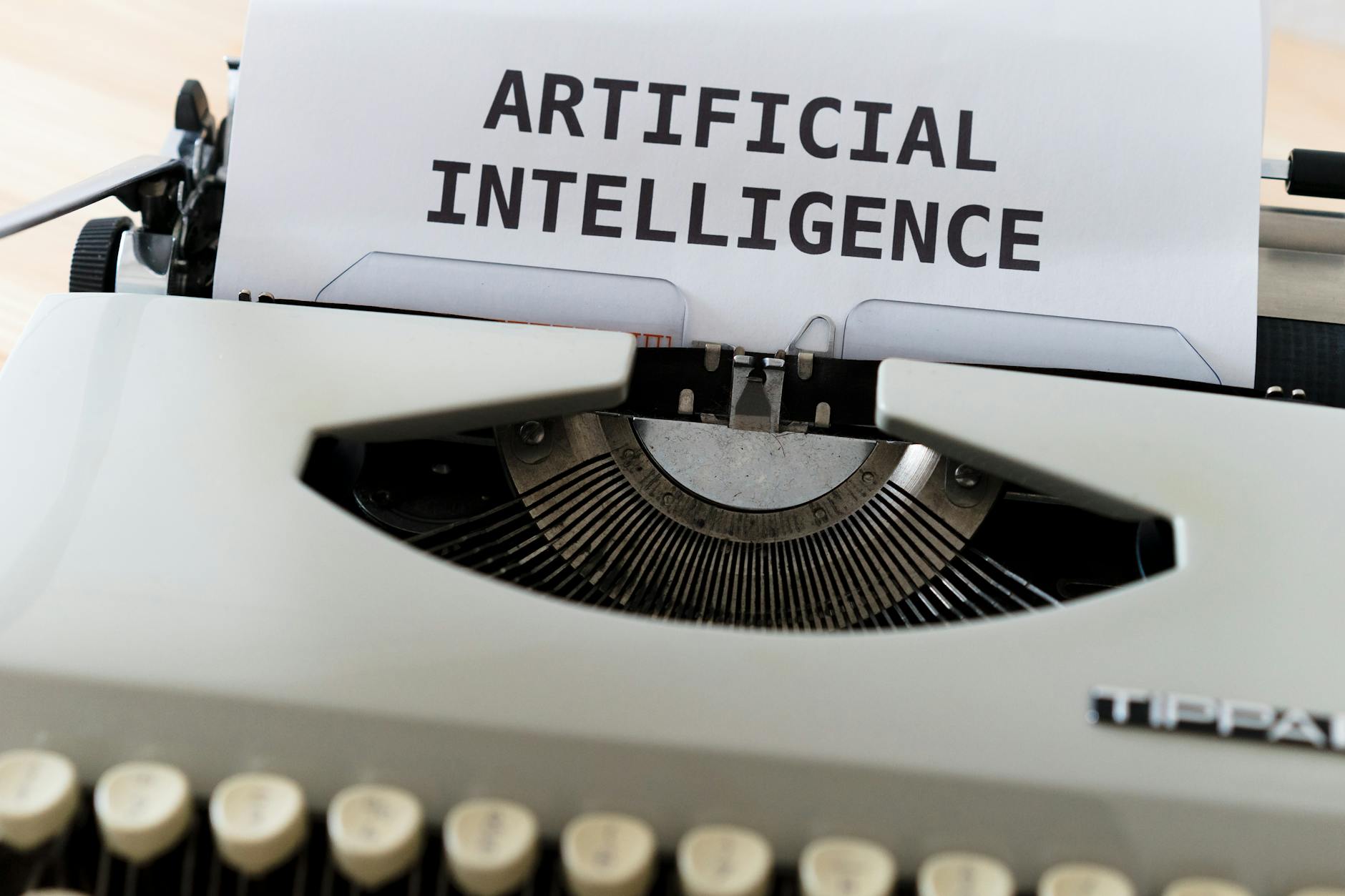
The Trump administration has chosen not to regulate artificial intelligence in the United States, prioritizing the country's technological competitiveness in relation to China instead of imposing restrictions on AI development.
Beijing views artificial intelligence security risks substantially differently from the United States, adopting a perspective that goes beyond the American view on existential threats.
While the US has focused the debate on existential and long-term risks of AI, China has demonstrated greater concern with more immediate and practical threats, including social stability and political control.
The analysis suggests that the divergent regulatory approach between the two technological superpowers may have significant implications for the future development and global governance of artificial intelligence.