Why Moscow continues to play a role in the European ITER fusion project, despite EU sanctionsPhoto by jeremy888 on Pexels
World
Европейский союз
Санкции
Энергетика

Why Moscow continues to play a role in the European ITER fusion project, despite EU sanctions

Euronews Portugal9 September 2026 at 11:29

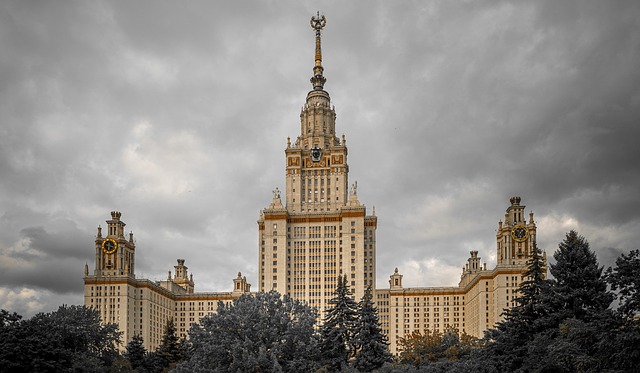
Moscow continues to play a role in the ITER project, the world's largest nuclear fusion project, despite sanctions imposed by the European Union on Russia. This situation results from decades of scientific cooperation between Europe and Russia in the field of nuclear fusion, which dates back to times before the current geopolitical conflicts.

The tensions between the EU and Russia clash with this long tradition of collaboration at ITER, where Russian specialists have contributed essential technical and technological knowledge for the development of the fusion project.

Nuclear fusion has become a strategic priority for Europe, placing Brussels in a delicate position. European authorities are increasingly questioning the European Union's dependence on Russian technology and knowledge in the context of the ITER project.

The central question at hand is how Europe can continue to benefit from Russian participation in ITER without compromising its own strategic objectives of technological independence, at a time when relations between Brussels and Moscow are deeply deteriorated.

Related articles

World

University of Coimbra and integration are "something for everyone"

The University of Coimbra faces integration challenges for both national students and international students, who arrive from different parts of the world. The UC-PAI program (Reception and Integration Program) works with various groups to assist these students, providing support and facilitating adaptation to academic and cultural life in Coimbra.

Diário de Coimbra09/09/26, 20:22
World

UN atomic agency reports Iran to Security Council for first time in 20 years

The Board of Governors of the International Atomic Energy Agency (IAEA) approved for the first time in 20 years a resolution that refers Iran to the UN Security Council, for failing to comply with nuclear obligations. The resolution, presented by the United States, Germany, France and the United Kingdom, was approved by 23 of the 34 voting members, criticizing Tehran for not cooperating in an investigation into uranium traces detected at undeclared sites. China, Russia and Niger opposed, while eight countries abstained. Since attacks on Iranian nuclear facilities, Tehran has restricted access to IAEA inspectors, who cannot determine the whereabouts of approximately 400 kilograms of highly enriched uranium, a material close to military use.

Eco09/09/26, 20:02
El avión de Zelenski estuvo a punto de ser alcanzado por un dron cuando despegaba de Moldavia
World

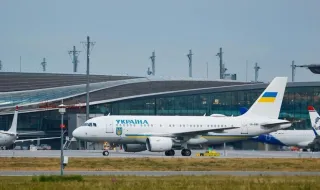
Zelenski's plane was almost hit by a drone when taking off from Moldova

The Norwegian prime minister, Jonas Gahr Støre, revealed that the plane transporting President Zelenskyy from Moldova to Oslo was almost hit by a drone during takeoff. Støre told Norway's public broadcaster NRK that "that is the kind of reality" Zelenskyy currently lives in. President Zelenskyy arrived in Oslo on Tuesday evening to attend the funeral of Norway's King Harald.

El Periódico Mediterráneo - General09/09/26, 20:02
Fumo dos incêndios extremos triplicou desde os anos 90 e agrava riscos para a saúde
World

Smoke from extreme wildfires has tripled since the 90s and worsens health risks

The World Meteorological Organization (WMO) warned that exposure to smoke from extreme wildfires has tripled since the 90s, significantly worsening public health risks. The organization emphasizes that climate change and air pollution reinforce each other, increasing populations' exposure to toxic particles, ozone, and other dangerous contaminants for the respiratory and cardiovascular systems.

Jornal de Negócios09/09/26, 20:01