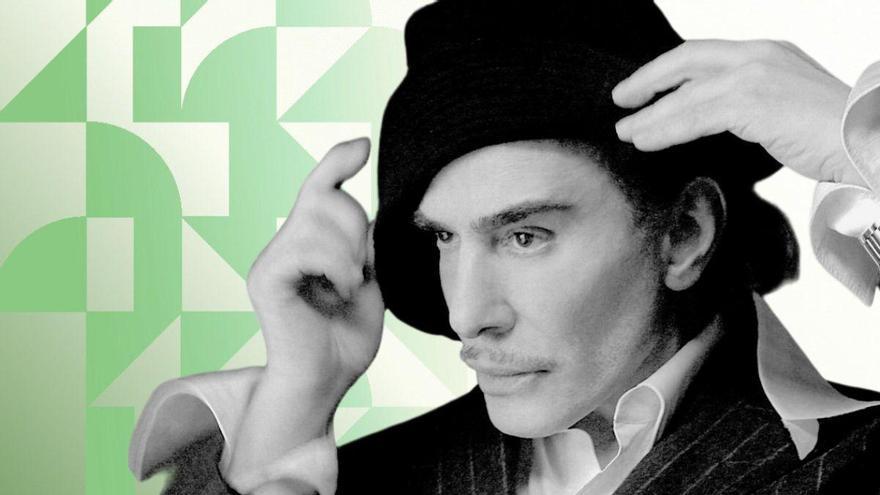
John Galliano, the renowned fashion designer born in Gibraltar 65 years ago, saw his career destroyed in 2011 when controversial statements emerged in which he expressed admiration for Adolf Hitler. The words that ended his brilliant career were spoken, according to reports, while he was in a café in Paris, generating a wave of indignation that led to his dismissal from Maison Dior and his subsequent removal from the fashion industry for several years.
The article draws an ironic parallel with the current political situation in Germany. Ulrich Siegmund, the German extreme right candidate for the AfD party, has just won elections in the state of Saxony-Anhalt. Siegmund is someone whose political positions dangerously approach the ideas that destroyed Galliano's career, although he has not made public statements similar to those of the designer.
The author suggests that Galliano may have been "ahead of his time," at a time when ideas previously considered unacceptable seem to be gaining ground in European mainstream politics. The contrast between the professional ruin of the designer and the political success of Siegmund highlights an apparent hypocrisy or inconsistency in how different sectors of society treat extremist speech.
The central question of the article is whether Galliano managed to reinvent himself after the scandal that cancelled him, at a time when figures with similar political views ascend to power through democratic processes. The text thus questions the criteria for cancellation and the different consequences that the same type of speech can have depending on the context and sector in which it is framed.