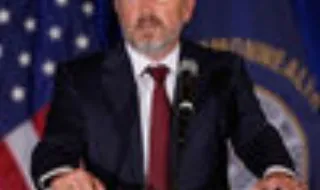
The Minister of Internal Administration, Luís Neves, was heard at the Assembly of the Republic just hours before the debate and voting on a motion of censure presented by Chega. In Parliament, questions were raised regarding his previous tenure in the leadership of the Judicial Police, including matters that are subject to scrutiny and that have raised doubts, giving rise to proceedings and procedures concerning assets seized in Operation Pacoba, contracts, construction works, and public procurement procedures.
Luís Neves refused to resign, stated he will not step down, and declared he is comfortable with his record. The minister rejected that the decisions made under his responsibility sought to favor third parties, provide personal enrichment, or harm the State. The article emphasizes that an investigation is not a conviction and that Luís Neves has the right to the presumption of innocence, but also notes that the presumption of innocence does not mean the absence of scrutiny for a holder of public office.
The Government decided to keep Luís Neves in office, with Prime Minister Luís Montenegro maintaining his confidence in the minister. Chega considers that the accumulated damage has stripped the minister of the authority needed to continue, while Iniciativa Liberal also criticized his remaining in office, although it does not support Chega's strategy of provoking a government crisis. The Socialist Party announced its abstention, and the motion of censure is expected to be rejected.
The editorial, authored by Fernando Jesus Pires, director of the newspaper OREGIÕES, argues that the vote does not resolve the problem, that parliamentary stability is not synonymous with political tranquility, and that the real challenge lies in clarifications, transparency, and respect for the results of ongoing investigations. The article calls for distinguishing the roles of Justice, Parliament, and the media, without premature condemnations or silencing of legitimate questions.