Brazil's Independence Day: the woman who signed the separation from Portugal and was the first to govern the countryPhoto by idilioarte on Pexels
Politics

Brazil's Independence Day: the woman who signed the separation from Portugal and was the first to govern the country

BBC News Brasil7 September 2026 at 09:58

Brazil's independence was declared on September 7, 1822, when Dom Pedro I proclaimed "Independence or Death" on the banks of the Rio Ipiranga. However, the process that led to this moment involved various diplomatic negotiations and political decisions made in the preceding period.

Empress Maria Leopoldina played a crucial role during the regency of the Empire. While Dom Pedro was in Brazil making preparations for independence, she remained in Portugal temporarily governing the affairs of the Portuguese empire.

During the period when Dom Pedro was absent, Maria Leopoldina signed important documents related to the separation from Portugal, becoming the first woman to govern Brazil, albeit temporarily and for a few days.

The article highlights that Brazilian independence occurred during the empress's regency, which made her the first woman to hold the position of ruler of the country, even if briefly, during this historical moment of political transition.

Related articles

Politics

Paulo Núncio: "The motion makes absolutely no sense"

Paulo Núncio defended the work of the Minister of Internal Administration, stating that the motion presented against the official "makes absolutely no sense at all," and warned of the need for judgment in approving the Budget. The official recalled that the minister has done important work and that the so-called "fake news" related to the frigates will end up being discussed in court, underscoring the importance of separating facts from disinformation in political debate.

Observador07/09/26, 10:35
PP e Vox superam pela primeira vez 50% das intenções de voto em plena crise migratória de Ceuta
Politics

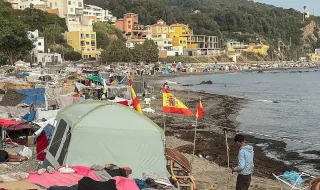
PP and Vox exceed 50% of voting intentions for the first time amid the Ceuta migratory crisis

A poll by the 40dB institute for El País and Cadena Ser reveals that PP and Vox together exceeded 50% of voting intentions for the first time, amid the Ceuta migratory crisis. The study indicates that 90% of Spaniards blame Morocco for the massive entry of migrants, while 63% criticize the response of Pedro Sánchez's government to the situation.

SAPO Notícias07/09/26, 10:34
Sócrates faz queixa contra  procurador Rosário Teixeira por alegadas falsas declarações em tribunal
Politics

Sócrates files complaint against prosecutor Rosário Teixeira for alleged false statements in court

José Sócrates filed a criminal complaint against prosecutor Rosário Teixeira, responsible for the investigation of Operation Marquês, for alleged false statements made in court. This complaint arises in the context of the proceedings involving the former prime minister, in a new chapter of the legal dispute between Sócrates and the Public Ministry.

SAPO Notícias07/09/26, 10:34
Politics

European Union accelerates Arctic policy review amid global power race

European Commission President Ursula von der Leyen is in Greenland to discuss the growing strategic importance of the Arctic, as Brussels accelerates the development of a new policy for the region. Experts warn that this policy must place security and defense at the center of priorities, at a time when there is a growing global race for power and influence in the Arctic.

Euronews Portugal07/09/26, 10:20