Lindsay Clancy: Jury deadlock "often has to do with proximity from an emotional point of view"Photo by Ketut Subiyanto on Pexels
World

Lindsay Clancy: Jury deadlock "often has to do with proximity from an emotional point of view"

Now4 September 2026 at 23:33

The Lindsay Clancy case generated a jury deadlock during the judicial process. Nelson Tereso explained that this situation often has to do with the proximity from an emotional point of view among the jury members.

Nelson Tereso highlighted the differences between the American and Portuguese judicial systems. According to him, American law expressly requires unanimous deliberation for the determination of guilt, which makes deadlocks more frequent when jurors have emotionally divergent perspectives.

This unanimity requirement creates additional pressure in judicial proceedings in the United States, where all jury members must reach a consensus for a verdict to be issued.
Related articles

World

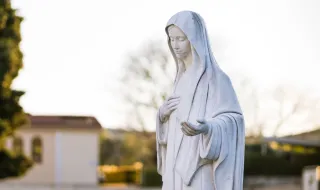
Medjugorje: little supernatural, but very pastoral

The article addresses the question of the alleged Marian apparitions in Medjugorje, in Bosnia-Herzegovina, which have been occurring since 1981. The text reflects on the nature of these apparitions, suggesting that, although they may not be of supernatural origin, they hold strong pastoral value for the faithful. The author argues that, if they are genuinely supernatural, the Catholic Church will recognize them in its own time, demonstrating a position of caution and confidence in ecclesiastical authority.

Observador05/09/26, 00:21
World

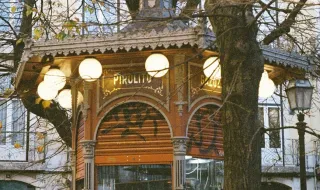
The seven kiosks of Lisbon, from Camões to Príncipe Real, from the Sé to Campolide

The article describes the seven historic kiosks of Lisbon, spread across various areas of the city, from Camões to Príncipe Real, passing through the Sé, Campolide, Flores and São Paulo squares and Saldanha. It recalls the long history of these spaces, which includes the passage through Catarina Portas' Refreshment Kiosks, up to the current animation that keeps these cultural landmarks active.

Público05/09/26, 00:16
World

The year of the plague and the ride of words

The article reflects on the human tendency to seek scapegoats when confronted with inexplicable fears, using as a historical example the ancient habit of blaming Jews during epidemics such as the Black Death, connecting ignorance, fear, and the impulse to assign blame to marginalized groups.

Observador05/09/26, 00:15
World

Who takes care of the caregivers?

This article is a poetic and emotional reflection on the role of caregivers, whether they are healthcare professionals, family members, or people who dedicate their lives to caring for others. The text describes the various dimensions of the act of caring — being attentive, anticipating needs, waiting, carrying burdens, solving problems — and highlights the silent sacrifice of these individuals, who often give up their own needs without complaining, covering their needs with a smile when someone asks if they need help. The central question raised is: who takes care of those who care for others?

Observador05/09/26, 00:11