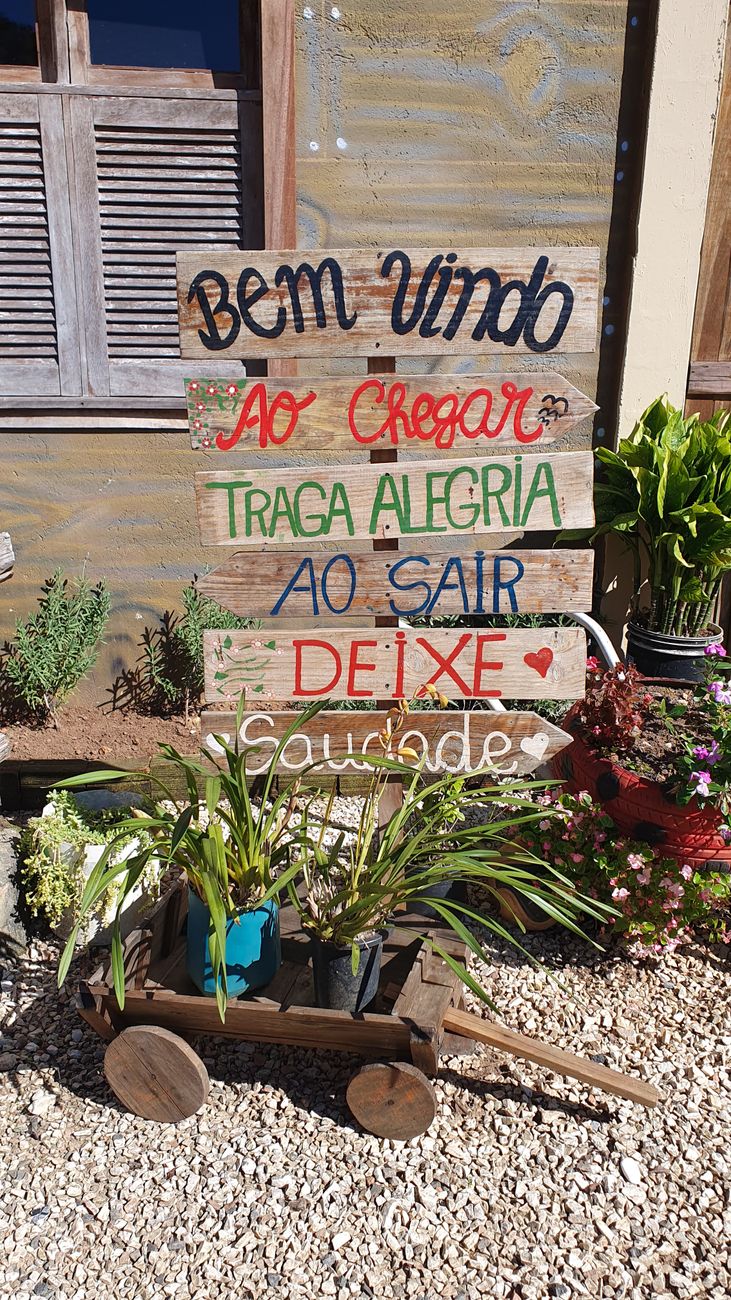
Saudade is a diffuse emotion that, although it has a word coined in Portuguese, is felt by people from any part of the world. The author Paulo Pisco, Director of the Communities Department of the Portuguese Socialist Party, explores in this opinion article the complexity of this feeling, describing it as a state of soul that navigates between the past and the future, a hope associated with memories, and a form of melancholy caused by absence.
Swedish journalist and writer Henrik Brandão Jonsson, fascinated by the universe of Lusophony, wrote the book "Saudade – Cartography of a Feeling" after living more than 20 years in Brazil. To better understand this feeling, he undertook a pilgrimage through various migrant communities, including Azoreans and Cape Verdeans in the United States and Madeirans in Venezuela, seeking out the island populations where saudade manifests most intensely. Brandão Jonsson discovered saudade through the music of Cesária Évora, the great icon of Cape Verdean music.
The word saudade has deep historical roots, having been first used as "soidade" by a Galician troubadour to entertain pilgrims of Santiago de Compostela, and later reproduced by D. Dinis, the Troubadour King. This feeling is intrinsically linked to Portuguese emigration, which over centuries created a Portuguese presence throughout the world, manifesting itself in the communities, families, and associations that keep the connection to their origins alive.
The article concludes that, with the growing human mobility on the planet, saudade is becoming increasingly the norm, characterizing the existence of those who live between two or three worlds and cultures. As Brandão Jonsson refers, it is a permanent feeling of strangeness, where people recognize places that no longer belong to them, in a struggle to fix the moments of passing time.