How to talk about racism with children?Photo by Thisabled on Pexels
WorldCoimbra

How to talk about racism with children?

oglobo3 September 2026 at 17:34

This is a newsletter article from "Meus Filhos, Minhas Regras?" that addresses a reader's question about how to talk about prejudice and racism with children. The content is part of a weekly questions and answers section where parents send questions about children and adolescents. This week's question specifically asks how to talk about prejudice, especially racism, with children.

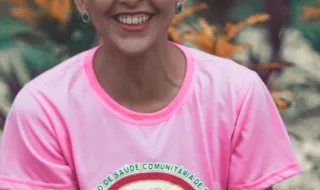
The author shares a personal experience with her daughter, who has green eyes that have been admired since birth. The constant compliments about the girl's eyes led her, at under 3 years old, to look in the mirror and say "Mom, did you know my eye is rare?" — demonstrating how children begin early to notice and internalize racial characteristics.

The author describes her family's mixed ancestry, including Black, Portuguese, and Indigenous roots. She explains that she occupies an intermediate position regarding racial perception — while she is read as white by most people, since the birth of her daughter (blonde and green-eyed), it became more evident how both are perceived racially, highlighting the complexity of racial identity in Brazil.

The article ends abruptly in the middle of a sentence, suggesting there was more planned content about how to approach the topic with children, but the complete response is not included in the provided excerpt.

Related articles

World

Brazil, the election we feel

The article analyzes the unique closeness between Portugal and Brazil, highlighting that the Brazilian election on October 4 is followed in Portugal as a "domestic drama," not just as international news. With 574,000 Brazilians living in Portugal and significant investments by Portuguese companies such as Galp, EDP, and Mota-Engil in Brazil, the electoral result will have a direct impact on exchange rates, concessions, and Portuguese economic confidence. The article also notes that Lula tends to view Portugal as a strategic partner, while Bolsonaroism seeks validation in Washington, and warns that the next Brazilian president will also influence the future of Mercosur and Portuguese exports' access to the South American market.

Jornal Económico04/09/26, 00:14
World

Five years after Kabul, Afghanistan continues to wait

Five years after the Taliban seized Kabul in August 2021, Afghanistan remains largely absent from international scrutiny, despite the profound consequences of the Western withdrawal. The country continues to be the only one where women and girls are excluded from education, with 2.4 million prevented from studying, and faces a humanitarian crisis with more than 22 million people needing assistance. The article argues that the West's military intervention failed not only in its execution but in building institutions that could survive its departure, and that Western responsibility did not end with the troop withdrawal. It advocates for diplomatic engagement without legitimizing the Taliban regime, humanitarian and civil society support, ensuring educational opportunities for girls, while acknowledging that Afghanistan's future must be decided by Afghans themselves.

Jornal Económico04/09/26, 00:13
World

Taking care of health or having our health taken care of? That is the question

An opinion article analyzes the challenges of the healthcare system in Portugal, questioning whether the problem is limited to a shortage of doctors. The text argues that both the public and private sectors face growing access difficulties, and suggests that part of the problem lies in the organization of resources, excessive bureaucracy and user behavior, who tend to use health services more frequently even when it is not necessary. The author argues that better management, greater health literacy, more efficient processes and greater individual responsibility are needed to face the growing pressure on the system.

Jornal Económico04/09/26, 00:11
World

More children than women in shelters

For the first time in Portugal, the number of children accommodated in shelters due to domestic violence situations exceeded the number of women, becoming the largest share of victims served in these facilities. This data represents a significant change in the profile of domestic violence victims and raises questions about the impact of family violence on children and the effectiveness of protection mechanisms and early identification of these cases.

Observador04/09/26, 00:10