Oil closed another session higher, staying above 90 dollars driven by the continuation of hostilities in the Strait of Hormuz. The Brent barrel, the benchmark for European markets, rose 0.9% to around 95.5 dollars, while WTI crude advanced 0.6% to 90.75 dollars. Compared to values from a week earlier, the rise is almost 10%. The values remain below the peak of hostilities between Americans and Iranians, when the barrel largely exceeded 100 dollars.
The US Secretary of Energy, Chris Wright, stated in a CNBC interview that more than 17 million barrels had transited Hormuz on Monday, which would mean the region was exporting more oil than before February 28, when Americans and Israelis began bombing Iran. Wright argued that Tehran is "losing the ability to keep the global economy hostage," although US government sources have presented maritime traffic figures in Hormuz consistently above those reported by independent agencies.
Economist Pedro Braz Teixeira highlights that the refining sector is very limited globally, which has meant pump prices have reacted slowly to the decline in international quotes. Thus, a new rise does not have such an immediate effect on energy prices. Since the pressure is generalized worldwide, it equally affects competition, which does not create specific problems for Portuguese companies.
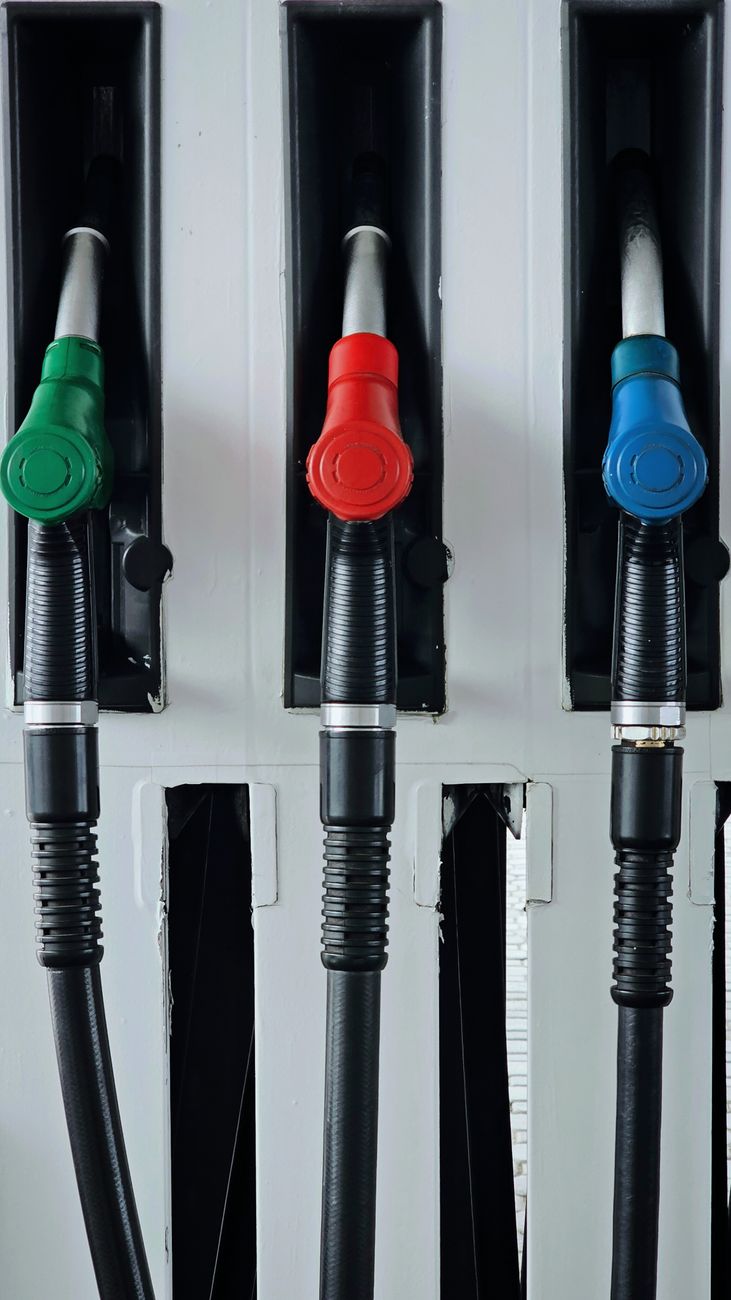
In Portugal, fuels are expected to jump again next week, with diesel rising 14 cents and gasoline seven. The rise in base rates given the new wave of price pressure is being incorporated by markets, creating room for adaptation. However, the worsening of debt service, both for public finances and for companies and families, will be yet another source of pressure, and other impacts such as the rise in fertilizers will take longer to materialize in the agri-food chain.