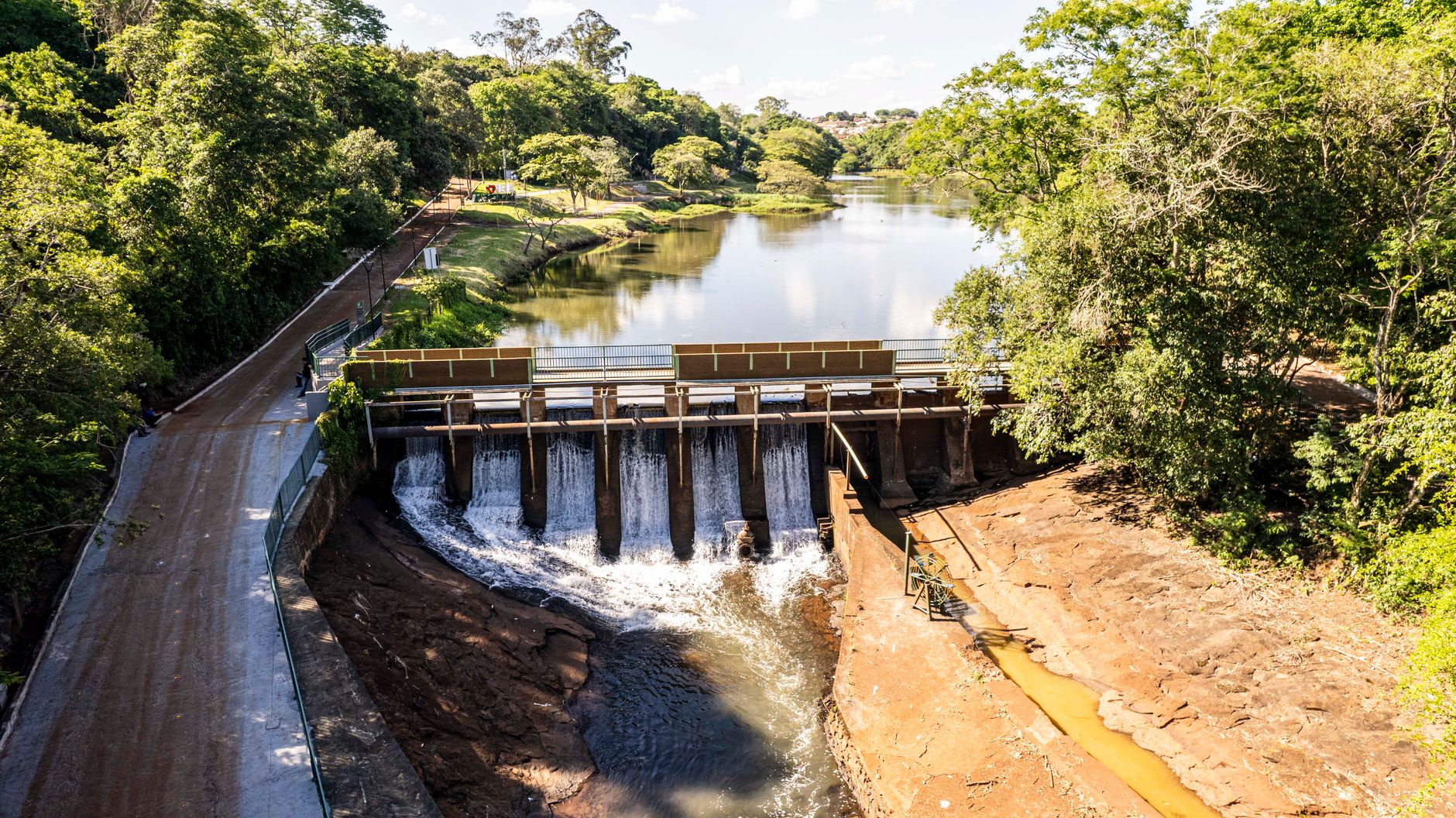
In 2007, Portugal developed an ambitious energy project that aimed to strengthen the country's water production through the construction of new dams, while simultaneously intensifying investment in solar and wind energy. The plan was part of a broader strategy to diversify renewable energy sources.
The project established specific targets for each type of renewable energy, including the significant expansion of installed solar and wind energy capacity. This bet was part of a long-term vision to reduce dependence on fossil fuels and position Portugal as a leader in clean energy in Europe.
However, despite the ambitious intentions of the plan, several of the planned dams were never built. This situation partially limited the potential for strengthening water production that the original project envisioned.
The interconnection between dams and solar energy is relevant because dams allow the storage of water that can be used for hydroelectric power generation, functioning as a form of energy storage that complements the variability of solar energy. When solar production is reduced, stored hydroelectric energy can compensate for that shortfall.