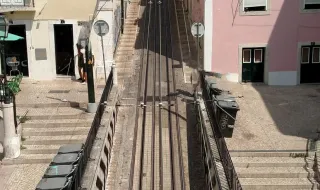
The criminal investigation into the Glória elevator derailment, which caused 16 deaths and dozens of injured, is expected to continue until the first quarter of 2027. The conclusion of the technical tests and expertise is expected in November, followed by an analysis of the facts and evidence collected before a decision is made on possible criminal responsibilities.
The investigation is proceeding independently from the one conducted by the Bureau for the Prevention and Investigation of Accidents with Aircraft and Railway Accidents (GPIAAF), although the two have several points of convergence. Common expertise has been carried out for both investigations, but maintaining different objectives: the criminal investigation seeks to determine possible responsibilities, while the GPIAAF investigation has an essentially technical and preventive nature.
Among the issues being analyzed are the characteristics, operational condition and behavior of the traction cable and its attachment to the vehicle, the different braking systems, the dynamic behavior of the vehicles, the brake adhesion conditions to rails and wheels, and the relationship between the vehicles' electrical system, the braking mechanisms and the traction cable. The investigation also includes analysis of Carris's organization and its maintenance, certification and safety procedures.
The complexity of the work required the fabrication and acquisition of structures and specific parts for the carrying out of tests, some of which are destructive and unrepeatable. The evolution of the expertise itself led to the identification of new technical issues, requiring new tests to be carried out. The investigation thus enters a new phase almost a year and a half after the accident, with the answer regarding causes and possible responsibilities still depending on the conclusion of the technical tests.