Parkinson gets new treatment in Europe with promise of more good hoursPhoto by Alexas Fotos on Pexels
Science
Европейский союз
Медицина
Инвестиции
Coimbra

Parkinson gets new treatment in Europe with promise of more good hours

Notícias de Coimbra1 September 2026 at 21:50

A new formulation of levodopa/carbidopa received authorization from the European Commission for adults with Parkinson's disease and moderate to advanced motor fluctuations. The treatment, called Produodopa and developed by the pharmaceutical company, is administered through continuous subcutaneous infusion, offering an alternative to traditional oral administration methods.

The medication aims to provide patients with more hours of "good motor control," reducing the fluctuations between periods of mobility and immobility that characterize the disease. The continuous infusion allows for more stable levels of the active substance in the body throughout the day.

The authorization is based on clinical study data that demonstrated the efficacy and safety of the treatment. This approval represents a new therapeutic option for patients who cannot adequately manage their symptoms with conventional oral medication.

Parkinson's disease affects millions of people in Europe and represents a significant challenge for health systems. This new therapeutic approach comes to address an unmet medical need, offering neurologists and patients an additional tool in the fight against the disease.

Related articles

Science

Migraine affects one in seven Portuguese people and there is a sign you should not ignore

Migraine affects approximately one in seven Portuguese people, and many patients learn to live with headaches, considering them part of their daily routine. However, specialists warn about a specific sign that should not be ignored, as it may indicate a more serious condition. The article addresses the need to recognize when headaches cease to be normal and start requiring specialized medical attention.

Notícias de Coimbra01/09/26, 22:54
Science

When the last child leaves, the house falls silent: how empty nest syndrome transforms those left behind

The empty nest syndrome is an emotional reaction of abandonment and profound sadness felt by parents when the last child leaves the family home, representing a mandatory identity reconfiguration in which parental roles no longer require daily practical action. The article explores how the experience materializes physically in the living space, with many parents avoiding the vacated rooms or preserving their children's objects as a "temporary museum." In single-parent families, the impact is particularly intense, as the child frequently served as the main interlocutor; in couples, the departure may reveal emotional distance masked by the daily bustle. Scientific literature views this condition as an indispensable developmental transition, not a pathology, and recommends reclaiming personal projects, investing in community routines, and building new attachment models with young adults. Specialists such as Robert Waldinger emphasize that meaningful bonds transform, they do not disappear, and that the departure of children represents an opportunity to transform the abandoned nest into a territory of renewal.

oRegiões01/09/26, 22:30
Science

Breastfeeding is associated with fewer antibiotic resistance genes in babies

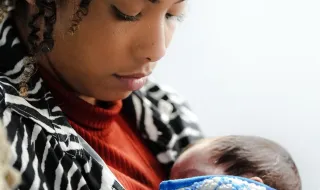
A scientific study revealed that breastfeeding is associated with a lower presence of antibiotic resistance genes in babies. The research showed that intestinal bacteria begin to acquire and establish resistance genes from the very first moments of life, and that babies fed with breast milk present a significantly lower load of these genes compared to babies fed with bottles. The results highlight the importance of breastfeeding in modulating the infant gut microbiome and in combating antimicrobial resistance, considered one of the main global public health challenges.

CNN Portugal01/09/26, 22:13
Dos astronautas concluyen un paseo espacial con problemas de movilidad en un traje
Science

Two astronauts conclude a spacewalk with mobility problems in a suit

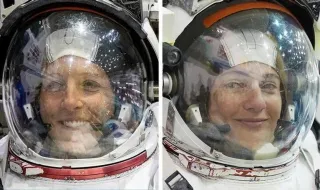
NASA astronaut Jessica Meir and Sophie Adenot from the European Space Agency (ESA) carried out on Tuesday a nearly seven-hour spacewalk outside the International Space Station (ISS) to install a reflector that will facilitate the docking of spacecraft, although a mobility problem was recorded in one of the spacesuits.

El Periódico Mediterráneo - General01/09/26, 22:01