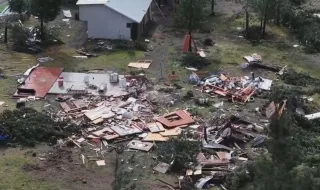
The floods that affected Nepal have caused a severe humanitarian crisis in the country. Ricardo Ribeiro described the situation as "a tsunami of a fluid material similar to liquid cement", warning about the devastation caused by the flooding.
The destruction of essential infrastructure is among the main consequences of the catastrophe. Water networks have been contaminated, compromising access to drinking water for the affected population.
Communications and electricity have also been lost in several regions, hindering rescue efforts and humanitarian coordination. The situation is made worse by the arrival of monsoon rains, which increase the risk of new floods.
There is also danger of glacial lake outbursts, which could cause even more severe flooding in downstream communities.