The reconfiguration of drug trafficking in Latin America, after the dismantling of the large Colombian cartels, transformed Ecuador into one of the main cocaine export centers worldwide. This phenomenon occurred despite the coca leaf not having the same cultural tradition in the country as in neighboring nations such as Colombia or Peru.
Ecuador, which did not have an entrenched "cocalera" culture, found itself dragged into the center of international drug trafficking networks due to its strategic geographic position and the fragility of its borders. The country's privileged geographic location, combined with institutional weaknesses, made it an attractive corridor for drug shipments heading to Europe and North America.
The militaristic strategy adopted by the President to combat organized crime brought serious consequences for the Ecuadorian population. Citizens face daily restrictions in their everyday lives, with security measures that limit freedom of movement and association.
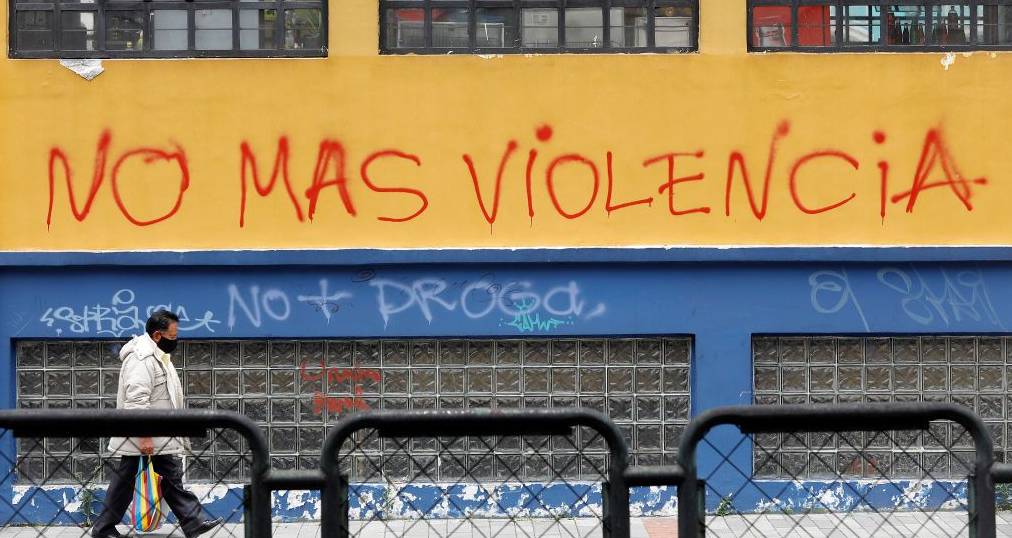
The violence associated with drug trafficking has been increasing significantly, exposing the civilian population to growing risks. The country has thus become the scene of a spiral of violence that accompanies its new condition as an international hub for cocaine trafficking, with deep human and social consequences for Ecuadorians.