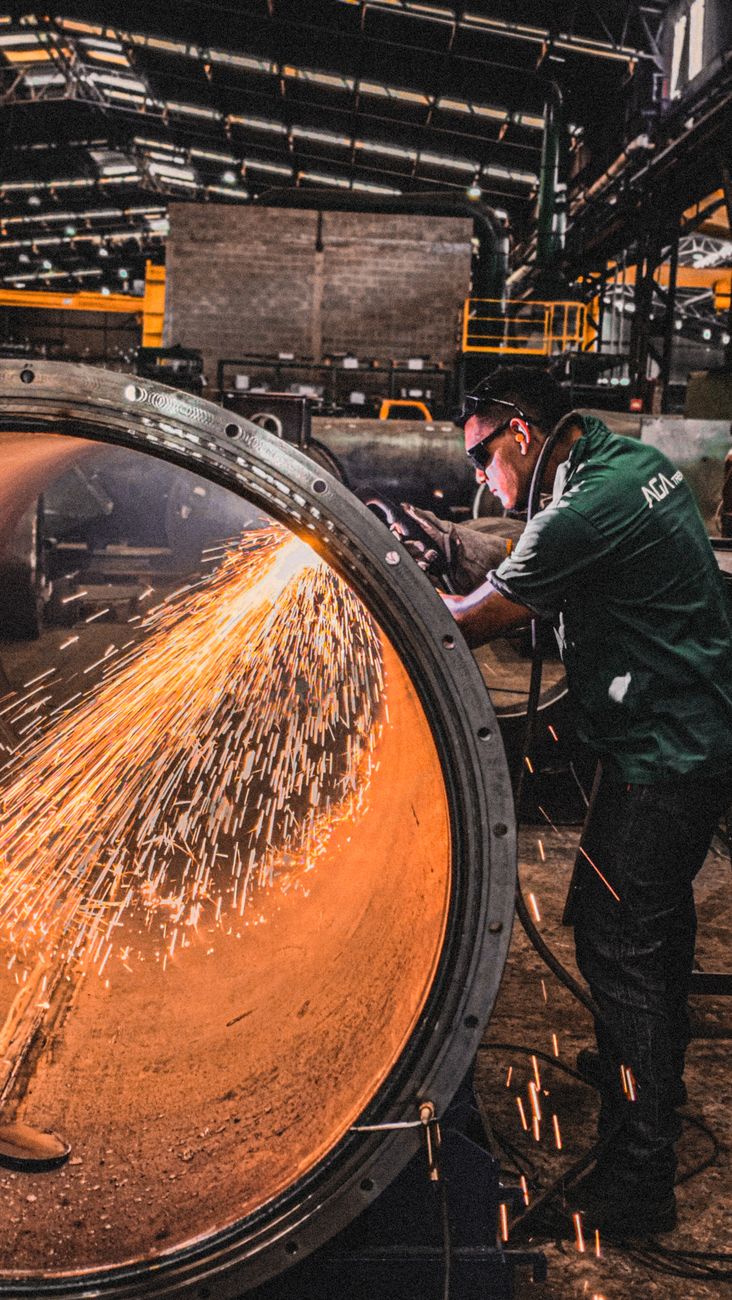
In July, light vehicle sales in China fell by 20.9%, while Chinese exports grew by more than 80% and those of electric and plug-in hybrid vehicles increased by approximately 150%. This phenomenon reflects a structural transformation: after decades dependent on the domestic market, China has entered a new phase in which it seeks abroad an increasing share of the demand needed to sustain its enormous industrial capacity. In just over two decades, Chinese automotive production has grown from approximately 2 million to more than 30 million vehicles per year, currently representing about one-third of global production.
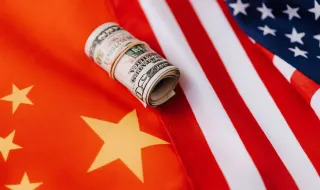
Faced with this reality, the major economic blocs are following different paths. The United States responded with tariffs exceeding 100% on Chinese electric vehicles, public incentives of hundreds of billions of dollars through the Inflation Reduction Act and the CHIPS Act, and a clear reindustrialisation strategy. India carefully protects its industry, while Japan and South Korea maintain their commitment to innovation and the defence of their global brands.
Europe faces one of the biggest questions of the next decade. More than 13 million Europeans depend directly or indirectly on the automotive industry, which accounts for approximately 7% of the European Union's GDP and is the largest private investor in research and development in Europe. However, Europe remains one of the most open markets in the world, precisely when its main competitors are strengthening their respective industrial policies.
The debate on tariffs is important, but it does not exhaust the problem. The real question is whether Europe will be able to preserve production capacity, develop critical technologies, attract investment and maintain a competitive industrial base. Competition is no longer fought only between internal combustion engines and electric vehicles, but also in artificial intelligence, software, semiconductors, batteries and access to critical raw materials.