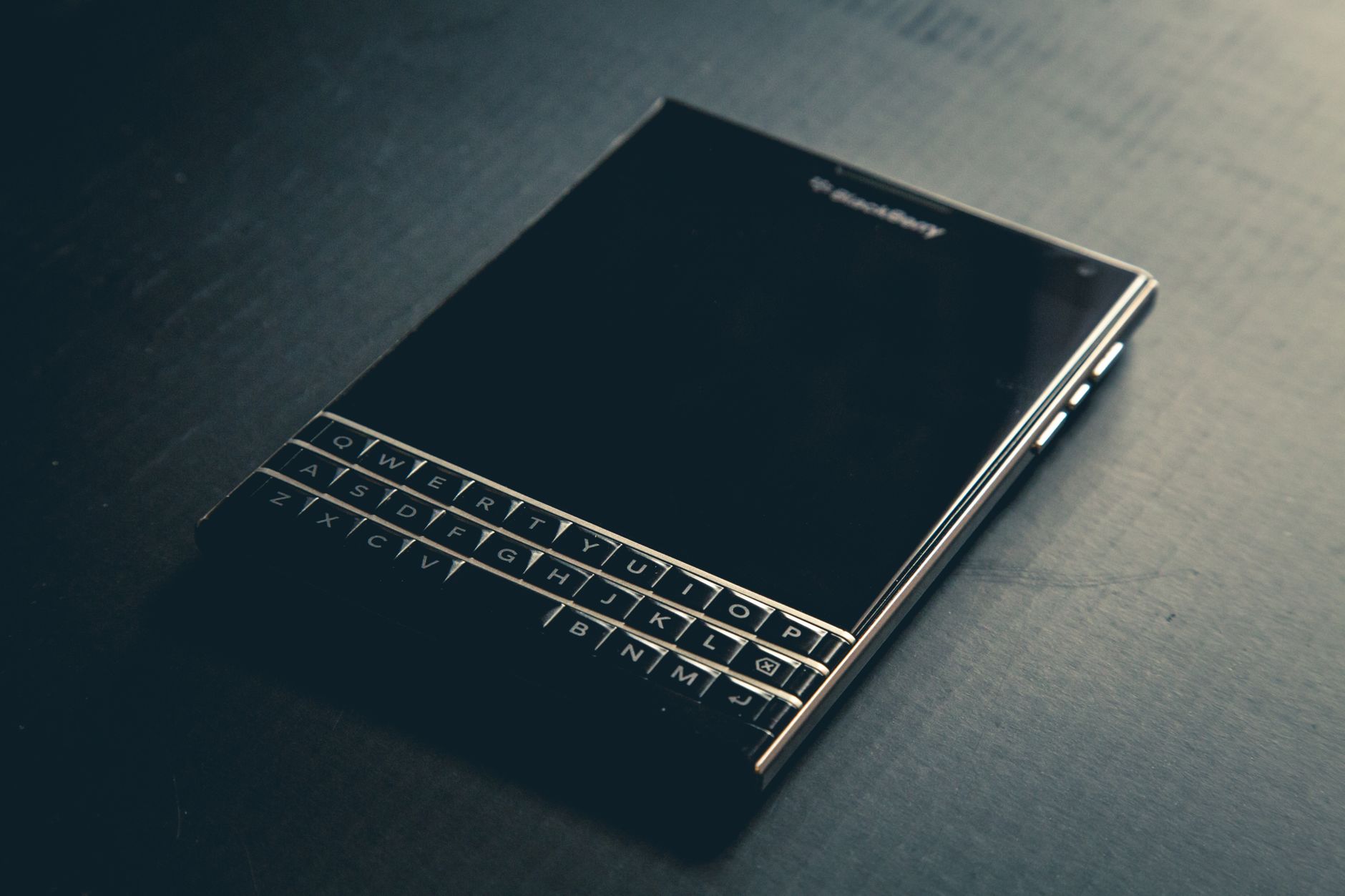
BlackBerry hasn't manufactured phones in years, but its shares have practically doubled in the last year, going from $3.95 to $7.79, in a significant recovery for the former smartphone manufacturer whose stock reached a peak of nearly $147 in mid-2008. This appreciation reflects the growing investor interest in the company's transformation into a cybersecurity software company for automobiles and, more recently, robotics.
Of the approximately 90 million vehicles produced annually, approximately 25% use advanced software technologies, such as digital cockpits and advanced driver assistance systems. BlackBerry claims to hold approximately 95% market share in that advanced segment, with partners such as Nvidia, Qualcomm, Arm, Texas Instruments, and Intel adopting the QNX operating system as a platform.
BlackBerry's CEO, John Giamatteo, stated that the company is careful about how much AI it puts into the code of its products, due to the critical nature of the work performed by QNX, which runs software in cars, robots, and other machines where failure is not an option. This does not mean the company completely avoids AI, using it intensively behind the scenes to test products, accelerate integration work, and reduce the time needed to bring products to market.
Giamatteo considered that the robotaxi industry is still in its "early days" and that he does not expect a complete transformation of the sector in the next 12 to 18 months, but argued that it is a long-term trend. He also highlighted the concept of "physical AI," which encompasses hardware capable of reasoning and acting in the real world, from warehouse robots and autonomous forklifts to surgical robotic arms. BlackBerry has a QNX order backlog exceeding $950 million, with the majority still related to the automotive sector.