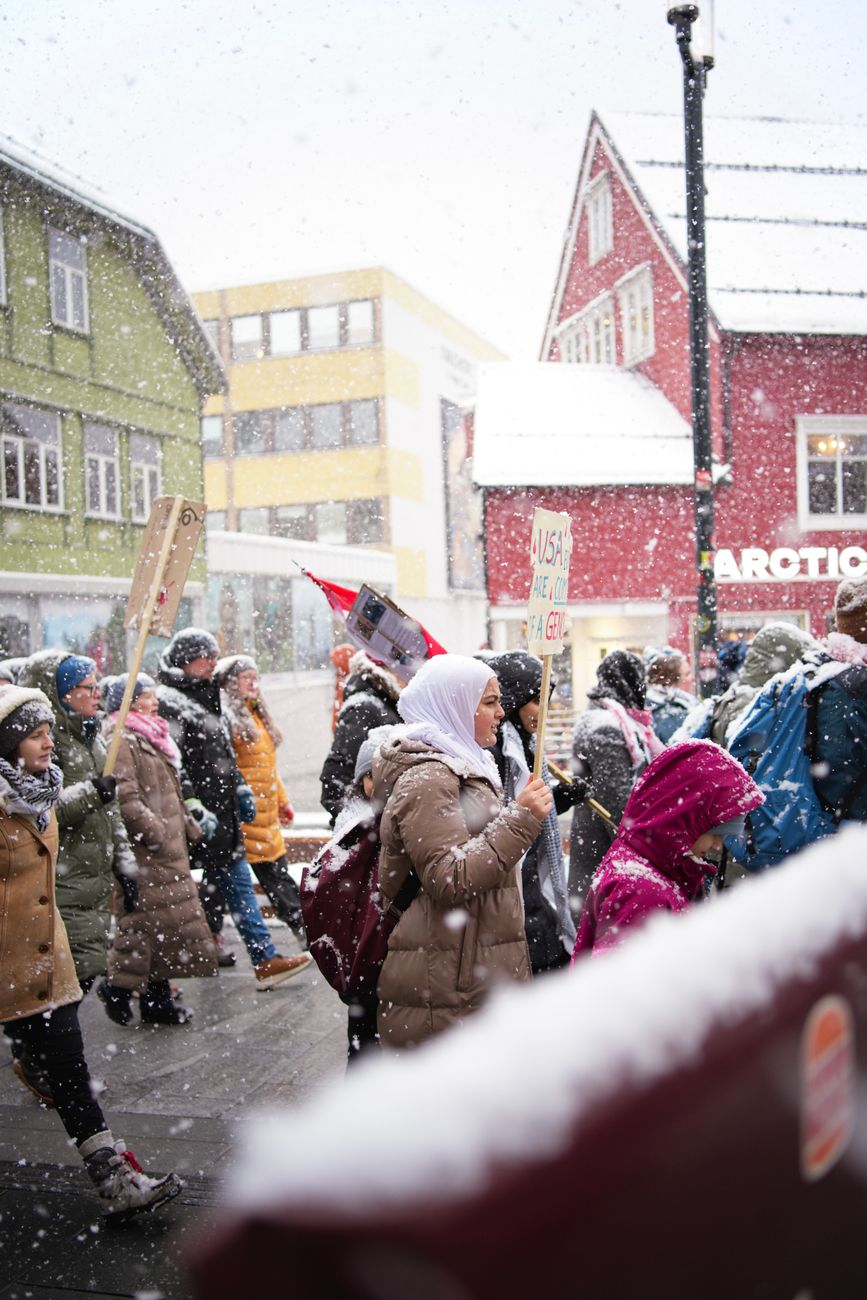
Iceland rejected in the referendum held on Saturday, with results known on August 30, the reopening of accession negotiations with the European Union. With the count nearly complete, the "no" reached 52.5% against 47.5% of the "yes", according to the live count by public television RÚV. The question posed to voters was whether Iceland should reopen accession negotiations with the EU.
The result represents a harsh blow for the EU, which looked favorably on an Icelandic candidacy and seemed willing to make concessions. Any discussion about the accession of the North Atlantic island will be frozen at least until 2028. Iceland submitted its application in 2009, after the financial crisis, but negotiations were suspended in 2013 with the arrival to power of a Eurosceptic government.
The current government led by Social Democrat Kristrún Frostadóttir had wanted to consult citizens on deeper integration. The campaign focused mainly on economic and internal issues, but the war in Ukraine and Donald Trump's intentions regarding neighboring Greenland gave the vote a geopolitical dimension. The Prime Minister warned that, in case of a "no" victory, she would not relaunch the idea until the end of the term in 2028.
Fishery professionals, a fundamental economic sector of the country, were predominantly opposed to accession, with 90% of companies in the sector against. Enlargement Commissioner Marta Kos stated that Iceland's specificities regarding fishing and agriculture would be examined carefully. The referendum had an advisory character, but the executive committed to respecting the result.

A recusa da Islândia em retomar as negociações de adesão à União Europeia (UE) foi dada este domingo, 30 de agosto, como certa pela televisão pública islandesa, face aos resultados conhecidos do referendo sobre a questão realizado no sábado.
“A nação rejeita as negociações de adesão à UE”, noticiou a RÚV, citada pela agência francesa AFP.
Quando a contagem dos votos se aproximava do fim, o “não” ultrapassava o “sim” em cinco pontos, com 52,5% contra 47,5%, segundo a contagem em direto.
Faltava apenas contar uma parte dos boletins de um círculo eleitoral que já pendia para o “não”.
Salvo uma enorme surpresa, é um duro golpe para a UE, que teria visto com bons olhos uma candidatura da Islândia e parecia pronta a fazer compromissos para que o país entrasse no bloco.
Qualquer discussão sobre uma adesão da rica ilha do Atlântico Norte ficaria congelada pelo menos até 2028, segundo a AFP.
Os eleitores foram convidados a pronunciar-se sobre a seguinte pergunta: “A Islândia deve reabrir as negociações de adesão com a União Europeia?”.
Em 2009, na sequência da crise financeira que devastou a economia islandesa, o país de quase 400 mil habitantes apresentou uma candidatura, mas as discussões foram congeladas em 2013, com a chegada ao poder de um Governo eurocético.
A Islândia está hoje estreitamente associada à UE ao integrar o Espaço Económico Europeu (EEE) e o espaço Schengen, nomeadamente, laços que permanecem inalterados.
Num contexto de crescentes tensões internacionais, o atual Governo liderado pela social-democrata Kristrun Frostadottir quis auscultar os islandeses sobre a oportunidade de explorar uma integração mais aprofundada.
Formalmente, o referendo tem valor consultivo, mas o Governo comprometeu-se a respeitar o resultado, qualquer que seja.
O executivo convocou uma conferência de imprensa para hoje, às 13:00 locais (12:00 em Lisboa) para abordar os passos seguintes.
A campanha centrou-se, sobretudo, em questões económicas e internas.
Mas a guerra na Ucrânia e as intenções de Donald Trump sobre a vizinha Gronelândia, que o Presidente norte-americano confundiu várias vezes com a Islândia, deram à votação uma dimensão geopolítica.
A consulta “permitiu reativar o debate sobre a União Europeia, sobre o lugar da Islândia no mundo e, mais amplamente, sobre o seu posicionamento geopolítico”, declarou Frostadottir no sábado.
“Tudo correrá bem também se o ‘não’ vencer”, afirmou, depois de ter votado “sim” numa escola da capital, Reiquiavique.
Frostadottir alertouque, em caso de rejeição pelos eleitores, não vai relançar a ideia de uma adesão até ao fim do mandato, em 2028.
O Governo indicou também que remeteria ao Parlamento a questão de uma eventual retirada formal da candidatura islandesa à UE.
Os politólogos consideram improvável uma demissão da coligação, composta por três partidos com visões diferentes sobre a questão europeia, que corre contudo o risco de sair fragilizada deste processo.
Se o “sim” vencesse, a Islândia retomaria as negociações com a UE, nomeadamente sobre a espinhosa questão da pesca, pilar económico do país e marca da identidade nacional, sobre a qual Reiquiavique quer manter o controlo.
Depois, um eventual acordo entre as duas partes seria submetido a um segundo referendo.
Perante a hostilidade dos profissionais da pesca, com 90% das empresas do setor a opor-se à adesão, a UE tentou mostrar-se conciliadora.
“As especificidades próprias da Islândia em matéria de pesca e de agricultura são bem conhecidas. Terão de ser examinadas com atenção”, disse a comissária do Alargamento, Marta Kos.